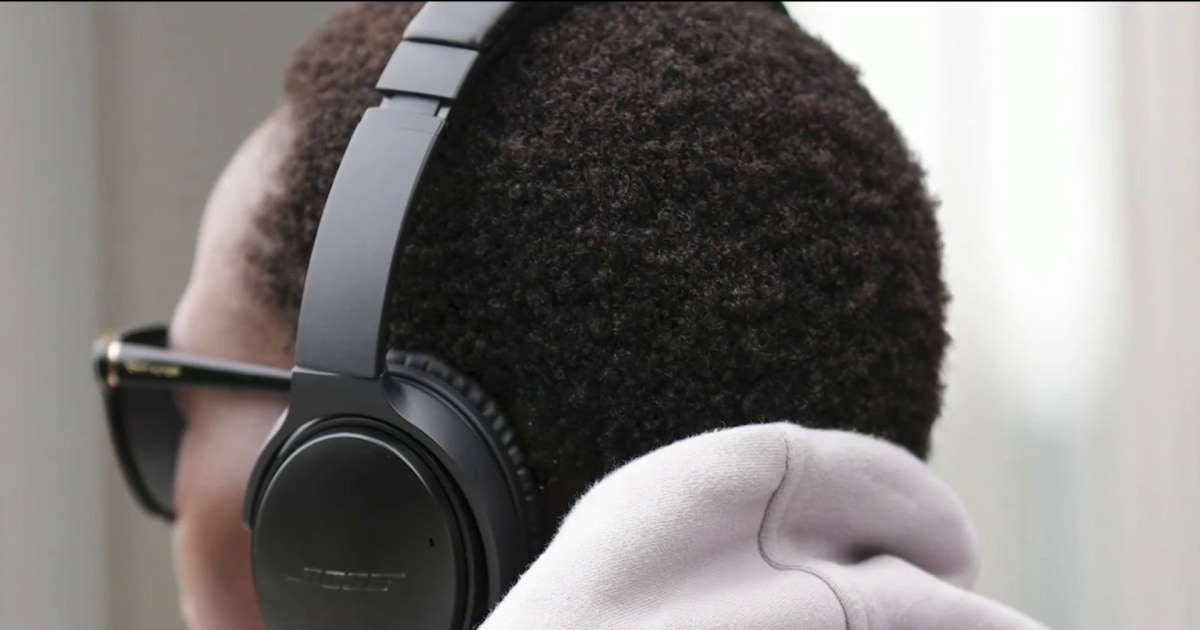
The Surprising Connection Between Noise-Canceling Headphones and Brain Health
In our bustling, noisy world, the quest for peace and quiet has led many individuals to embrace technology that can help them tune out the chaos. Noise-canceling headphones have surged in popularity, offering users a serene listening experience, whether they’re commuting, working, or simply enjoying a moment of relaxation. Recent studies suggest a potential link between the use of noise-canceling headphones and brain health, sparking interest in how these devices might influence cognitive function. As these headphones become more commonplace, it’s essential for consumers to understand their impact on brain health.
The Mechanics of Noise-Canceling Technology
Before diving into the implications for brain health, let’s clarify what noise-canceling headphones actually do. These devices utilize advanced technology to reduce unwanted ambient sounds. There are two main types:
- Passive Noise Cancellation: This type involves physical barriers that block sound, such as cushioned ear cups that create a seal around the ear.
- Active Noise Cancellation (ANC): This technology uses microphones to pick up ambient sounds and generates sound waves that are the exact opposite (anti-phase) to cancel them out.
The effectiveness of ANC can be particularly beneficial in environments with consistent noise, such as airplanes or busy offices, allowing users to immerse themselves in their music or podcasts without distractions.
Understanding Brain Health
Brain health encompasses a range of factors, including cognitive function, emotional well-being, and the brain’s structural integrity. Maintaining optimal brain health is crucial as it affects how we think, learn, and interact with the world. Several studies have highlighted the importance of factors such as stress management, social interactions, and cognitive stimulation in promoting brain health.
The Link Between Noise and Cognitive Function
Research has shown that prolonged exposure to noise can have detrimental effects on cognitive function. High noise levels, particularly in urban settings, have been associated with increased stress, anxiety, and sleep disturbances. Chronic exposure to noise can also lead to impaired memory and attention, suggesting that finding ways to mitigate noise could be beneficial for cognitive health.
This brings us back to noise-canceling headphones. By effectively reducing background noise, these devices may help alleviate some of the cognitive burdens associated with a noisy environment. Studies suggest that when individuals are in quieter settings, they can experience enhanced focus and improved mental clarity.
The Potential Benefits of Noise-Canceling Headphones for Brain Health
With the understanding of how noise affects our brain health, let’s explore some potential benefits of noise-canceling headphones:
- Enhanced Concentration: Many users report heightened focus and productivity when using noise-canceling headphones. By creating a quieter auditory environment, individuals can concentrate better on tasks, whether studying, working, or engaging in creative activities.
- Reduced Stress Levels: Noise is a significant stressor, and by reducing exposure to it, noise-canceling headphones may help lower stress levels. A calmer environment can lead to better emotional regulation and overall mental well-being.
- Improved Sleep Quality: For those who struggle to sleep due to external noise, noise-canceling headphones might offer a solution. Listening to soothing sounds or white noise through these headphones can create a more conducive sleep environment, promoting restorative sleep that is crucial for brain health.
- Increased Enjoyment of Music and Audio: By minimizing distractions, noise-canceling headphones allow for a more immersive listening experience. Enjoying music can stimulate brain activity, enhance mood, and even improve memory.
Considerations and Limitations
While the benefits of noise-canceling headphones are promising, it’s essential to approach their use with some considerations:
- Volume Control: Listening at high volumes can damage hearing over time. It’s crucial to balance the desire for noise cancellation with safe listening practices.
- Social Isolation: While these headphones can create a personal oasis, they might also lead to social isolation if used excessively in social settings. Maintaining social connections is vital for brain health.
- Dependency on Technology: Relying too heavily on noise-canceling features may discourage individuals from developing natural coping mechanisms for noise management and stress reduction.
Research Insights on Noise-Canceling Headphones and Cognitive Function
Recent studies have begun to explore the direct relationship between noise-canceling technology and cognitive function. For instance, a study published in the journal *Environmental Health Perspectives* indicated that individuals who frequently use noise-canceling headphones report better focus and less mental fatigue compared to those who don’t. Researchers found that by reducing auditory distractions, the brain could allocate more resources to cognitive tasks.
Furthermore, another study in *Psychological Science* highlighted that students using noise-canceling headphones during study sessions performed better on memory recall tests than those studying in noisy environments. These findings suggest that noise-canceling technology might not only enhance immediate focus but also improve long-term cognitive retention.
Practical Tips for Using Noise-Canceling Headphones
If you’re considering incorporating noise-canceling headphones into your daily routine, here are some practical tips:
- Choose the Right Fit: Comfort is key. Select headphones that fit well and are comfortable for extended use.
- Use Them Wisely: While they can be beneficial, be mindful of when and where you use them. Consider taking breaks to engage with your environment.
- Monitor Volume Levels: Keep the volume at a safe level to protect your hearing while enjoying the benefits of noise cancellation.
- Experiment with Settings: Many noise-canceling headphones come with adjustable settings. Experiment to find what works best for your environment and needs.
Conclusion: Embracing the Future of Brain Health
As the connection between noise-canceling headphones and brain health becomes increasingly evident, consumers are encouraged to consider how these devices can enhance their cognitive function and overall well-being. While more research is needed to fully understand the long-term effects, the potential benefits—ranging from improved concentration to reduced stress—present a compelling case for their use.
In a world that often feels overwhelming, noise-canceling headphones may offer a much-needed respite, allowing individuals to reclaim their focus and promote their brain health in innovative ways. As we navigate our noisy lives, these devices could very well be more than just a luxury; they might be a valuable tool in fostering a healthier, more productive mind.
See more WebMD Network


