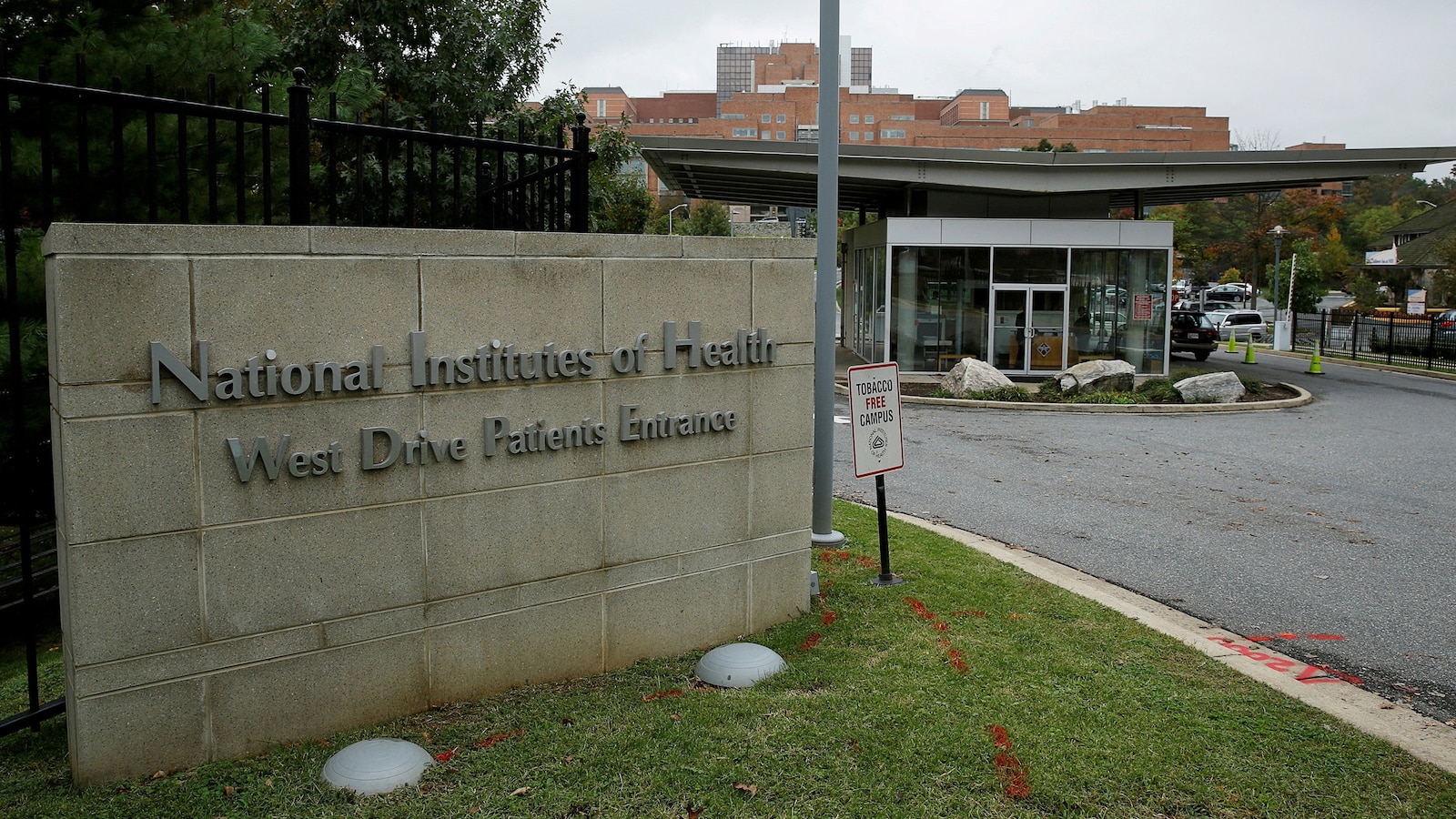
NIH Shifts Focus: Understanding the Future of LGBTQ+ and DEI Research Grants
The recent announcement from the National Institutes of Health (NIH) to terminate several active research grants focused on LGBTQ+ and Diversity, Equity, and Inclusion (DEI) studies has sent ripples through the academic and public health communities. This decision, while not entirely unexpected in a changing political and funding landscape, raises profound questions about the future of research in these essential areas. As the NIH shifts focus, the implications for public health, social equity, and the future of scientific inquiry into LGBTQ+ and DEI issues become increasingly critical.
The Importance of LGBTQ+ and DEI Research
Research focusing on LGBTQ+ populations and DEI issues has historically been underfunded and overlooked. These studies play a crucial role in addressing health disparities, understanding the unique challenges faced by marginalized communities, and developing targeted interventions. For instance, LGBTQ+ individuals experience higher rates of mental health issues, substance abuse, and certain chronic illnesses compared to their heterosexual counterparts. Understanding the roots of these disparities is essential for improving health outcomes.
Moreover, DEI research is vital for fostering inclusive environments in healthcare, education, and workplaces. This research not only highlights inequities but also provides frameworks for addressing systemic barriers. With growing recognition of the importance of social determinants of health, the need for continued research in these areas is more pressing than ever.
The Impact of NIH’s Decision
The NIH’s decision to terminate these grants could have far-reaching consequences. Firstly, it may signal a reduction in the prioritization of LGBTQ+ health issues and DEI research funding. Researchers who had been counting on these grants to explore critical questions may now face significant hurdles in securing alternative funding sources.
- Loss of Momentum: Many ongoing studies may be abruptly halted, leading to a loss of momentum in critical research areas.
- Funding Gaps: Researchers may struggle to find alternative funding, especially as other funding agencies may not prioritize these areas as heavily.
- Delayed Progress: The termination of grants could delay important findings that could improve public health interventions for marginalized groups.
Ultimately, this shift may lead to a widening gap in health equity, undermining years of progress made in understanding and addressing the needs of LGBTQ+ and other marginalized populations.
Exploring the Future of Research Funding
While the NIH’s decision raises concerns, it also opens the door for a broader conversation about the future of research funding in LGBTQ+ and DEI areas. As advocacy groups, researchers, and policymakers respond to this shift, several potential avenues for future funding and research initiatives could emerge:
- Increased Advocacy: Advocacy organizations may intensify efforts to lobby for the reinstatement of funding and for new initiatives that specifically target LGBTQ+ and DEI research.
- Alternative Funding Sources: Researchers might seek funding from private foundations, philanthropic organizations, and corporate sponsors that prioritize diversity and inclusion.
- Collaboration and Partnerships: Forming partnerships with universities and community organizations could create new opportunities for collaborative research that addresses local needs.
- Innovative Research Models: The scientific community may need to embrace innovative models of research funding and collaboration that prioritize inclusivity and equity.
The Role of Community and Grassroots Movements
Community organizations play a pivotal role in advocating for funding and support for LGBTQ+ and DEI research. These organizations often have firsthand knowledge of the issues affecting their communities and can mobilize grassroots support for research initiatives. They can also serve as valuable partners for researchers, providing insights and access to populations that may be difficult to reach through traditional research channels.
Moreover, grassroots movements can help raise awareness of the importance of continued research funding. By highlighting personal stories and experiences, these movements can galvanize public support and encourage policymakers to recognize the necessity of investing in these critical areas.
The Intersection of Policy and Research
The NIH’s shift in focus also reflects broader political and social trends that may impact research funding. As public policy evolves, the prioritization of LGBTQ+ and DEI research can fluctuate based on the prevailing political climate. This underscores the importance of staying engaged in policy discussions and advocating for the needs of marginalized communities at all levels of government.
Research institutions must remain vigilant and proactive in their advocacy efforts. Engaging with policymakers, participating in public forums, and collaborating with advocacy groups can help ensure that the voices of LGBTQ+ individuals and other marginalized populations are heard in the research funding conversation.
Conclusion: A Call for Continued Investment
As NIH shifts its focus, the future of LGBTQ+ and DEI research grants hangs in the balance. However, this moment also represents an opportunity for the scientific community, advocacy organizations, and policymakers to come together to champion the importance of these critical areas of research. By working collaboratively, we can advocate for continued investment in LGBTQ+ and DEI research, ensuring that the health and well-being of all individuals are prioritized.
In an ever-evolving societal landscape, the need for robust research into LGBTQ+ health and equity issues is undeniable. As we look toward the future, let us commit to ensuring that these vital areas of inquiry remain a priority, paving the way for a healthier, more equitable society for everyone.
See more WebMD Network


