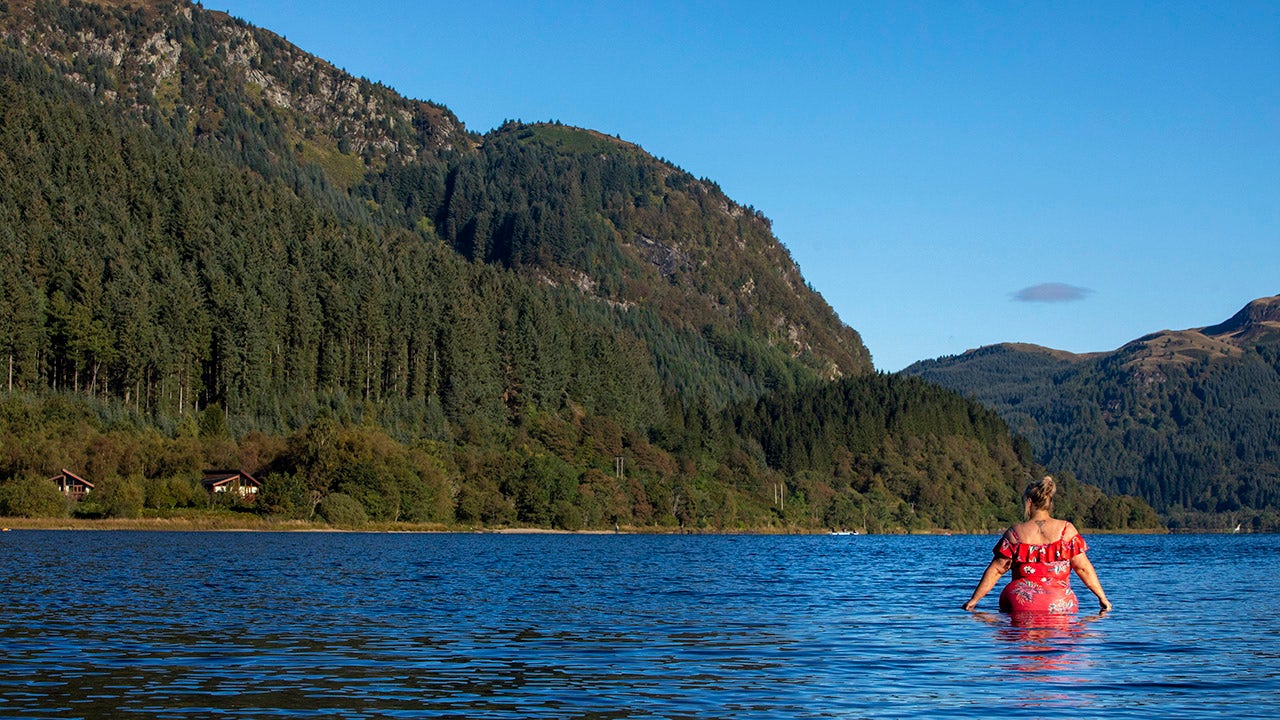
Nature’s Remedy: The Surprising Benefits of Watching Scenic Landscapes
In a world where the hustle and bustle of daily life often overshadow our well-being, a remarkable study has shed light on an unexpected method of relieving pain: immersing oneself in scenic landscapes. This research underscores the profound connection between our visual environment and our physical health, suggesting that something as simple as gazing at nature can yield significant therapeutic benefits. Let’s explore how nature’s remedy can enhance our lives and well-being.
The Connection Between Visual Stimuli and Pain Relief
Recent studies have shown that viewing picturesque landscapes can lead to a decrease in pain levels. The human brain is wired to respond positively to natural stimuli, which can trigger a relaxation response. When we look at beautiful scenery—be it a tranquil forest, a serene beach, or majestic mountains—our brains release endorphins and other neurotransmitters that promote feelings of happiness and contentment.
This phenomenon can be attributed to several factors:
- Distraction: Natural scenes can draw our attention away from pain, providing a mental respite from discomfort.
- Relaxation Response: Nature scenes can activate the parasympathetic nervous system, which helps to calm the body and reduce stress levels.
- Emotional Well-being: Engaging with nature can enhance mood, ultimately leading to a more positive outlook that can influence pain perception.
Scientific Evidence Supporting Nature’s Remedy
A foundational study published in the journal Health Psychology explored the effects of watching nature videos on patients experiencing chronic pain. Participants who viewed scenic landscapes reported a noticeable reduction in pain intensity compared to those who viewed urban environments or neutral content. This suggests that the type of visual stimuli we consume can play a crucial role in our physical sensations.
Moreover, a review of literature in Environmental Science & Technology indicated that individuals living in greener areas reported lower levels of stress and physical ailments than those in densely populated urban settings. This correlation reinforces the idea that our surroundings significantly impact our health and well-being.
How Scenic Landscapes Benefit Mental Health
The benefits of watching scenic landscapes extend beyond pain relief. Engaging with nature has profound implications for mental health, particularly in our fast-paced society. Here are some ways in which nature acts as a mental health ally:
- Reduction of Anxiety and Depression: Studies have shown that spending time in nature or even viewing images of natural settings can decrease symptoms of anxiety and depression.
- Enhanced Creativity: Nature can stimulate creativity and problem-solving skills. A study published in the journal PLOS ONE found that participants who walked in natural environments performed better on creative tasks than those who walked in urban settings.
- Improved Focus and Attention: Nature can help restore attention, making it easier to concentrate on tasks. This is particularly beneficial for individuals with attention-deficit disorders.
Integrating Nature into Daily Life
- Nature Walks: Set aside time each week for a walk in a park or nature reserve. The fresh air and natural surroundings can rejuvenate your mind and body.
- Nature Visuals: If you cannot access outdoor spaces, consider decorating your living or workspace with nature-themed art or photographs. Even a screensaver featuring stunning landscapes can evoke positive feelings.
- Meditation and Mindfulness: Practice mindfulness or meditation while focusing on natural visuals. Guided imagery techniques can help you visualize serene environments, enhancing relaxation.
- Gardening: Cultivating plants or flowers at home can provide a direct connection to nature, offering both aesthetic pleasure and a soothing activity.
Challenges and Considerations
While the benefits of watching scenic landscapes are clear, it’s important to consider individual circumstances. For those living in urban areas with limited access to nature, the challenge lies in finding ways to engage with natural stimuli. Here are some tips:
- Utilize Technology: Virtual reality and nature documentaries can provide immersive experiences of scenic landscapes, even from the comfort of your home.
- Community Resources: Look for local community gardens, parks, or nature programs that may offer opportunities to engage with nature.
- Travel Opportunities: Whenever possible, consider planning trips to natural destinations to recharge and experience the benefits firsthand.
The Future of Nature and Health
The growing body of research surrounding nature’s remedy highlights an essential shift in how we approach health and well-being. As we increasingly recognize the impact of our environment on our physical and mental health, we may see a rise in nature-based therapies and interventions. Integrating nature into healthcare practices could pave the way for innovative treatments that prioritize holistic well-being.
In conclusion, nature’s remedy is not just a soothing notion; it’s an evidence-based approach that can significantly enhance our quality of life. By embracing the surprising benefits of watching scenic landscapes, we can tap into a powerful tool for pain relief, mental health, and overall well-being. So, the next time you feel overwhelmed or in need of relief, consider taking a moment to gaze upon the beauty of nature—it might just be the remedy you’ve been looking for.
See more WebMD Network


