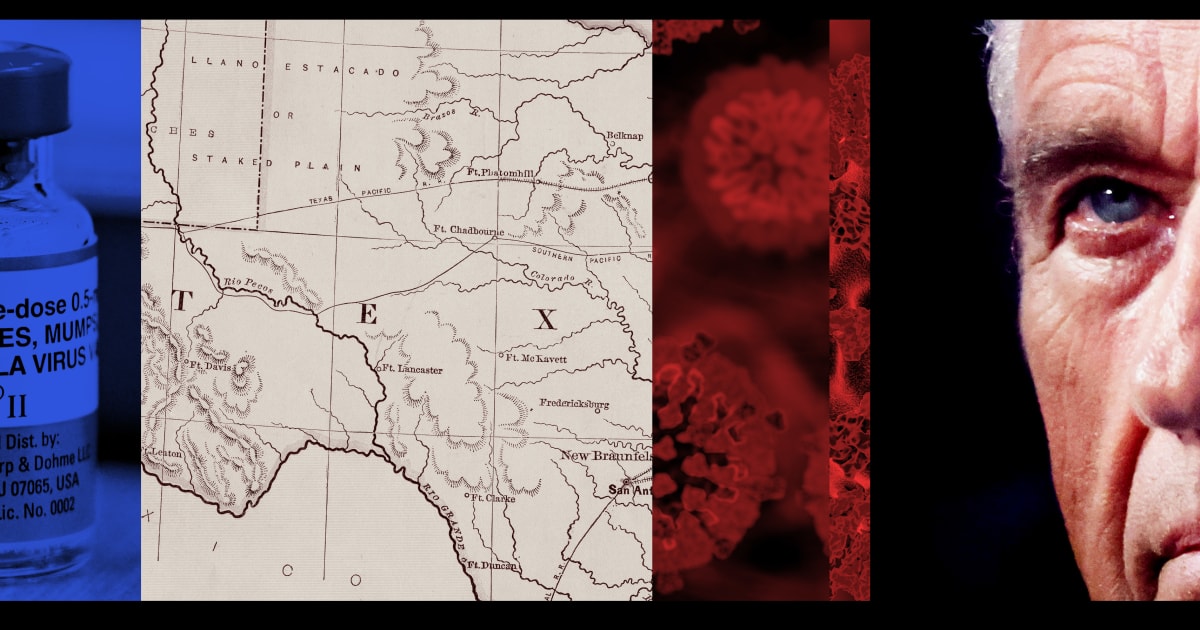
Unraveling the Measles Crisis: The Role of RFK Jr. in America’s Health Dilemma
The resurgence of measles in America has become a critical public health concern, with the disease making a comeback that many thought was a relic of the past. This article delves into the historical factors contributing to this crisis, spotlighting the controversial influence of Robert F. Kennedy Jr. (RFK Jr.) and the implications for public health. As misinformation continues to spread, understanding the roots and ramifications of this health dilemma is essential in combating the threat posed by vaccine hesitancy.
Understanding the Measles Resurgence
Measles, once declared eliminated in the United States in 2000, has seen a troubling resurgence in recent years. In 2019 alone, the U.S. experienced the highest number of measles cases since 1992, with outbreaks primarily linked to unvaccinated populations. This revival of a disease that was once under control raises profound questions about public health policies, vaccination rates, and the influence of prominent figures in the anti-vaccine movement.
The Historical Context of Measles in America
Measles is a highly contagious viral infection that can lead to severe complications, including pneumonia, encephalitis, and death. The introduction of the measles vaccine in 1963 drastically reduced the incidence of the disease. By the late 20th century, comprehensive vaccination campaigns had effectively eliminated endemic measles transmission in the U.S.
However, the landscape began to shift in the early 2000s, coinciding with the rise of vaccine skepticism fueled by misinformation. The publication of a now-retracted study in 1998 falsely linked the MMR (measles, mumps, rubella) vaccine to autism ignited fears among parents. Despite overwhelming scientific evidence debunking this claim, the damage was done, and vaccine hesitancy took root.
The Role of RFK Jr. in the Vaccine Debate
Robert F. Kennedy Jr. has emerged as one of the most prominent figures in the anti-vaccine movement. His advocacy against vaccines has been marked by a blend of personal conviction, emotional appeal, and a selective interpretation of scientific data. As a member of the Kennedy family, RFK Jr. wields considerable influence, and his statements often resonate with audiences skeptical of pharmaceutical companies and government health agencies.
In various public appearances and writings, RFK Jr. has propagated the belief that vaccines pose significant health risks. He often emphasizes anecdotal evidence over scientific consensus, which can mislead the public and contribute to vaccine hesitancy. His assertions have been widely criticized by health experts who stress the safety and efficacy of vaccines in preventing serious diseases like measles.
The Impact of Misinformation on Public Health
The influence of RFK Jr. and others in the anti-vaccine movement has created a challenging environment for public health officials. Misinformation about vaccines has proliferated, particularly on social media platforms, where conspiracy theories and unfounded claims can spread rapidly. This environment has led to:
- Increased Vaccine Hesitancy: Many parents, influenced by figures like RFK Jr., are hesitant to vaccinate their children, leading to lower vaccination rates.
- Outbreaks of Preventable Diseases: With fewer vaccinated individuals, communities become vulnerable to outbreaks of diseases that were once under control.
- Strain on Healthcare Systems: Resurgent diseases like measles put additional pressure on healthcare systems, which must manage outbreaks and treat affected individuals.
Addressing the Crisis: Public Health Strategies
Combating the measles crisis requires a multifaceted approach to restore public trust in vaccines and ensure high vaccination coverage. Here are several strategies that can help:
1. Education and Awareness Campaigns
Public health officials must prioritize educational initiatives that provide clear, evidence-based information about vaccines. These campaigns should:
- Highlight the safety and effectiveness of vaccines.
- Address common misconceptions and fears surrounding vaccination.
- Utilize trusted community leaders to disseminate information and build credibility.
2. Engaging with Vaccine-Hesitant Parents
Understanding the concerns of vaccine-hesitant parents is crucial. Healthcare providers should engage in empathetic conversations, allowing parents to express their fears while providing factual information to address those concerns. Building a rapport can encourage parents to reconsider their stance on vaccination.
3. Strengthening Policies and Regulations
To protect public health, some states have implemented stricter vaccination requirements for school entry. While this approach can be contentious, it is essential to strike a balance between individual rights and community health. Ensuring that vaccination exemptions are limited to legitimate medical reasons can help increase overall vaccination rates.
Looking Toward the Future
The measles crisis serves as a reminder of the importance of vaccination in preventing infectious diseases. As misinformation continues to pose a threat, it is crucial to foster an environment where accurate information prevails. Figures like RFK Jr. may hold sway over public opinion, but their influence can be counteracted through education, advocacy, and community engagement.
Ultimately, the goal should be to achieve herd immunity, where a significant portion of the population is vaccinated, protecting those who cannot be vaccinated due to medical reasons. By working together—public health officials, healthcare providers, and the community—we can combat the resurgence of measles and ensure a healthier future for all.
Conclusion
The resurgence of measles in America is a complex issue intertwined with historical, social, and political factors. The role of figures like RFK Jr. highlights the pervasive impact of misinformation on public health. To address this crisis effectively, it is vital to engage in open dialogue, provide accurate information, and foster community trust in vaccines. By doing so, we can protect future generations from preventable diseases and strengthen public health in the face of challenges.
See more WebMD Network


