Mark Cuban Champions a Healthcare Revolution: Empowering Independent Pharmacies
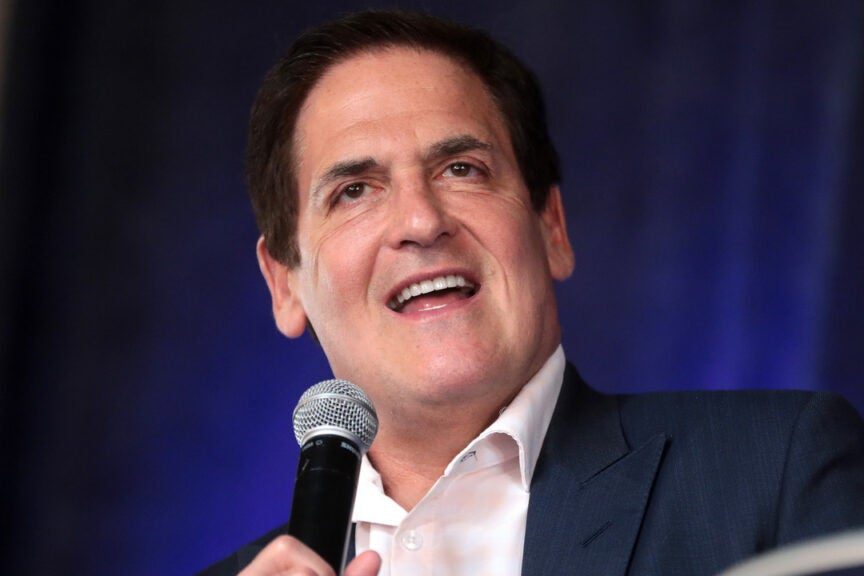
In recent years, the U.S. healthcare system has faced numerous challenges, from rising drug prices to limited access to essential medications. Mark Cuban, a well-known entrepreneur and owner of the NBA’s Dallas Mavericks, is stepping into the ring to tackle these issues head-on. His latest initiative focuses on empowering independent pharmacies to eliminate what are referred to as ‘pharmacy deserts’—areas where access to pharmacies is severely limited or entirely absent. This movement aims to reshape the American healthcare landscape, ensuring equitable access to medications for all communities.
The Concept of Pharmacy Deserts
Pharmacy deserts are a significant concern in the U.S., where many people live in areas without a nearby pharmacy. This lack of access can lead to serious health consequences, particularly for vulnerable populations such as the elderly, low-income families, and those with chronic illnesses. According to a 2021 report from the National Community Pharmacists Association, over 10% of Americans live in pharmacy deserts, a statistic that has grown alarmingly in recent years.
These deserts often coincide with other social determinants of health, such as poverty, lack of transportation, and limited healthcare services. As a result, individuals residing in these areas may forgo necessary medications, leading to worsening health outcomes and increased healthcare costs down the line.
Mark Cuban’s Vision
Mark Cuban’s approach to solving this pressing issue is multi-faceted. He believes that empowering independent pharmacies is a key strategy to combat pharmacy deserts. His vision revolves around several core principles:
- Affordability: Cuban is advocating for pricing strategies that make medications more affordable for everyone, particularly in underserved areas.
- Accessibility: By supporting independent pharmacies, Cuban aims to increase the number of pharmacies in pharmacy deserts, providing easier access to essential medications.
- Education: Cuban emphasizes the importance of educating communities about their health and medication management, helping individuals make informed decisions.
The Role of Technology in Healthcare
Technology plays a crucial role in Cuban’s healthcare revolution. He has expressed a strong belief in leveraging technology to streamline pharmacy operations and enhance patient care. For instance, telepharmacy services can be implemented to provide consultations and medication management remotely, ensuring that individuals in pharmacy deserts receive the care they need without having to travel long distances.
Moreover, integrating electronic health records (EHR) and pharmacy management systems can help pharmacies operate more efficiently. By adopting these technologies, independent pharmacies can better manage inventory, track medication usage, and ensure that patients receive timely refills.
Collaborations with Independent Pharmacies
Cuban’s initiative is not just about creating new pharmacies; it also involves collaborating with existing independent pharmacies to enhance their capabilities. Many of these pharmacies are struggling to compete with large chain stores and online pharmacies, which can offer lower prices due to their scale. By providing financial support, resources, and training, Cuban aims to help these independent businesses thrive.
Some potential areas of collaboration include:
- Bulk purchasing: By pooling resources, independent pharmacies can negotiate better prices for medications, making them more competitive against larger chains.
- Shared marketing efforts: Promoting local pharmacies as essential community resources can help increase foot traffic and customer loyalty.
- Community health programs: Partnering with local health organizations to provide health screenings, vaccination clinics, and wellness programs can position independent pharmacies as integral parts of community health.
Advocacy for Policy Changes
Cuban is also using his platform to advocate for policy changes that support independent pharmacies. This includes lobbying for regulations that level the playing field between independent and chain pharmacies, as well as pushing for laws that ensure fair reimbursement rates for pharmacists. By addressing these systemic issues, Cuban hopes to create a more equitable healthcare landscape.
Real-World Impact
The potential impact of Cuban’s initiative is significant. By empowering independent pharmacies to serve as accessible healthcare hubs in underserved areas, communities can experience improved health outcomes. Studies have shown that when patients have easy access to pharmacies, they are more likely to adhere to their medication regimens, leading to better management of chronic conditions.
Furthermore, independent pharmacies often provide personalized care that larger chains may overlook. Pharmacists in these settings can offer valuable counseling, medication therapy management, and even preventive care services, all of which are crucial for maintaining community health.
Challenges Ahead
While Cuban’s vision is promising, there are challenges that must be addressed. For one, the logistics of establishing new pharmacies in underserved areas can be complex, involving regulatory hurdles, financial barriers, and the need for trained staff. Additionally, changing the public perception of independent pharmacies as viable healthcare providers requires significant marketing and community engagement efforts.
Moreover, with the rapid advancement of telehealth and online pharmacies, independent pharmacies must adapt to a changing landscape. This means embracing technology while maintaining the personal touch that sets them apart from larger competitors.
Conclusion: A Call to Action
Mark Cuban’s commitment to championing independent pharmacies and eliminating pharmacy deserts represents a fundamental shift in the way we approach healthcare access in America. His focus on affordability, accessibility, and education is not just a business strategy; it’s a humanitarian effort aimed at improving the lives of countless individuals.
As communities grapple with the consequences of pharmacy deserts, the empowerment of independent pharmacies could serve as a beacon of hope. By coming together—pharmacists, healthcare professionals, policymakers, and community members—we can create a healthcare system that prioritizes equitable access to medications for everyone, regardless of their zip code.
Now is the time for action. It’s time to rally behind initiatives that support independent pharmacies and advocate for policy changes that will pave the way for a healthier future. With leaders like Mark Cuban at the forefront, there is potential for real change in the healthcare landscape, making the dream of equitable access to medications a reality.
See more WebMD Network