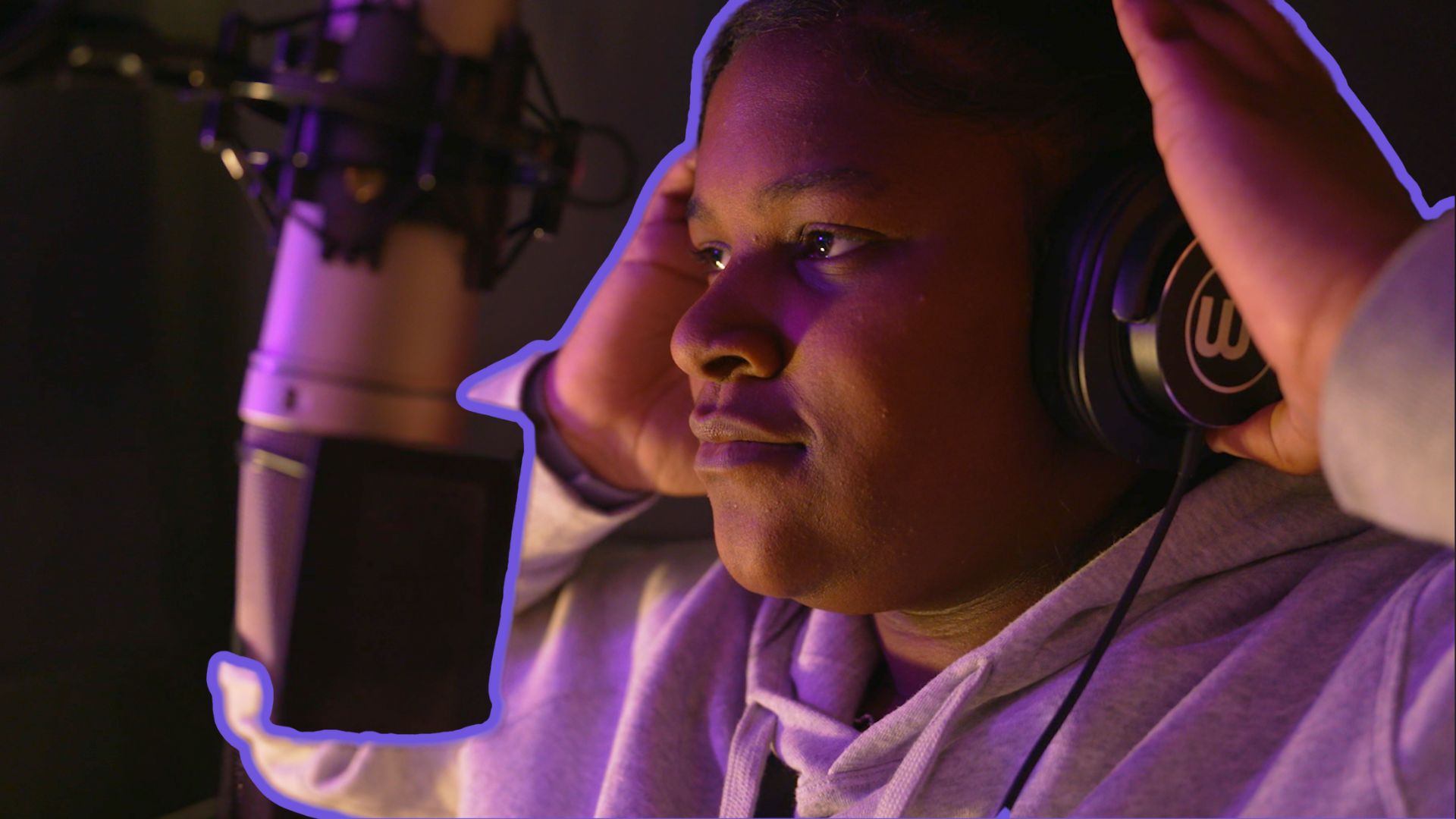
Healing Beats: How Hip Hop Therapy is Transforming Black Mental Health
In recent years, hip hop therapy has emerged as a groundbreaking approach to mental health care within the Black community. This innovative method combines the rich cultural heritage of hip hop music with therapeutic practices, creating a unique environment for emotional healing and personal expression. By leveraging the power of music, storytelling, and community, hip hop therapy is helping to dismantle barriers to mental wellness, fostering a sense of connection and healing among individuals who have historically been underserved by traditional mental health services.
The Roots of Hip Hop Therapy
Hip hop therapy is not merely a new trend; it is deeply rooted in the culture and experiences of Black communities. Originating in the late 20th century, hip hop has always been a voice for the marginalized, addressing social injustices, systemic racism, and personal struggles. Artists like Tupac Shakur and Nas have used their platforms to discuss mental health issues, resilience, and the challenges faced by their communities. These themes have paved the way for a therapeutic approach that resonates with individuals who find solace and understanding in hip hop music.
Therapists and mental health professionals have recognized the potential of hip hop as a therapeutic tool. The combination of rhythm, lyrics, and culture creates a familiar and engaging environment for clients, making it easier for them to open up about their feelings and experiences. This approach not only promotes self-expression but also encourages individuals to connect with their cultural identity, which is a crucial component of healing.
How Hip Hop Therapy Works
Hip hop therapy typically involves various activities, including:
- Lyric Analysis: Clients analyze the lyrics of their favorite hip hop songs, discussing themes that resonate with their personal experiences. This process helps individuals articulate their feelings and reflect on their lives.
- Freestyling: Engaging in freestyle rap allows clients to express their emotions spontaneously. This form of improvisational performance can be liberating, promoting creativity and emotional release.
- Songwriting: Clients are encouraged to write their own lyrics, creating a personal narrative that reflects their struggles and triumphs. This practice fosters a sense of ownership over one’s story and promotes healing through creativity.
- Group Sessions: Many hip hop therapy sessions are conducted in group settings, encouraging community support and connection. Participants often find comfort in sharing their experiences with others who understand their struggles.
By incorporating these elements, hip hop therapy not only addresses individual mental health challenges but also builds a sense of community and shared experience. This communal aspect is vital for the Black community, where social support has historically played a crucial role in coping with adversity.
The Impact on Black Mental Health
The stigma surrounding mental health issues in the Black community has often deterred individuals from seeking help. Traditional therapeutic approaches may feel alien or unapproachable, leading to a reluctance to engage in mental health care. Hip hop therapy breaks down these barriers by offering a relatable and culturally relevant method of healing.
Research shows that culturally competent therapy can lead to better outcomes for minority populations. Hip hop therapy aligns with this principle, as it honors the cultural context of its participants. By fostering an environment where individuals feel understood and validated, hip hop therapy enhances engagement and promotes positive mental health outcomes.
Real Stories of Transformation
Many individuals have experienced profound transformations through hip hop therapy. For instance, a young Black man named Jamal, struggling with depression and anxiety, found solace in a local hip hop therapy group. Through lyric analysis and songwriting, he was able to articulate feelings he had long suppressed. By sharing his struggles with peers, he realized he was not alone, leading to newfound hope and motivation to seek further assistance.
Another participant, a woman named Tasha, used her experiences with trauma as inspiration for her lyrics. The act of writing and performing her story not only provided an emotional release but also empowered her to reclaim her narrative. Tasha’s journey through hip hop therapy helped her connect with others and foster a sense of community, reminding her that healing is often a collective experience.
Challenges and Future Directions
While hip hop therapy is making strides in transforming Black mental health, challenges remain. Access to trained therapists who specialize in this approach can be limited, particularly in underserved areas. Additionally, there is a need for increased awareness about the effectiveness of hip hop therapy within the broader mental health community.
To address these issues, mental health advocates are working to expand training programs for therapists interested in integrating hip hop into their practices. By developing a network of hip hop therapists, the community can ensure that more individuals have access to this innovative form of therapy. Furthermore, increased funding and support for mental health initiatives in Black communities can help raise awareness and accessibility.
Conclusion: A New Era of Healing
Hip hop therapy represents a transformative shift in how mental health care is approached within the Black community. By merging the therapeutic power of music with cultural expression, this method not only addresses mental health challenges but also fosters a sense of belonging and empowerment. As more individuals share their stories and experiences, the potential for healing expands, paving the way for a new era of mental wellness.
As we continue to explore the intersections of culture and mental health care, it is vital to support and promote innovative approaches like hip hop therapy. By doing so, we honor the voices of those who have been historically marginalized, ensuring that everyone has the opportunity to heal, grow, and thrive.
See more WebMD Network


