Unraveling Hantavirus: The Hidden Threat from Rodents to Human Health
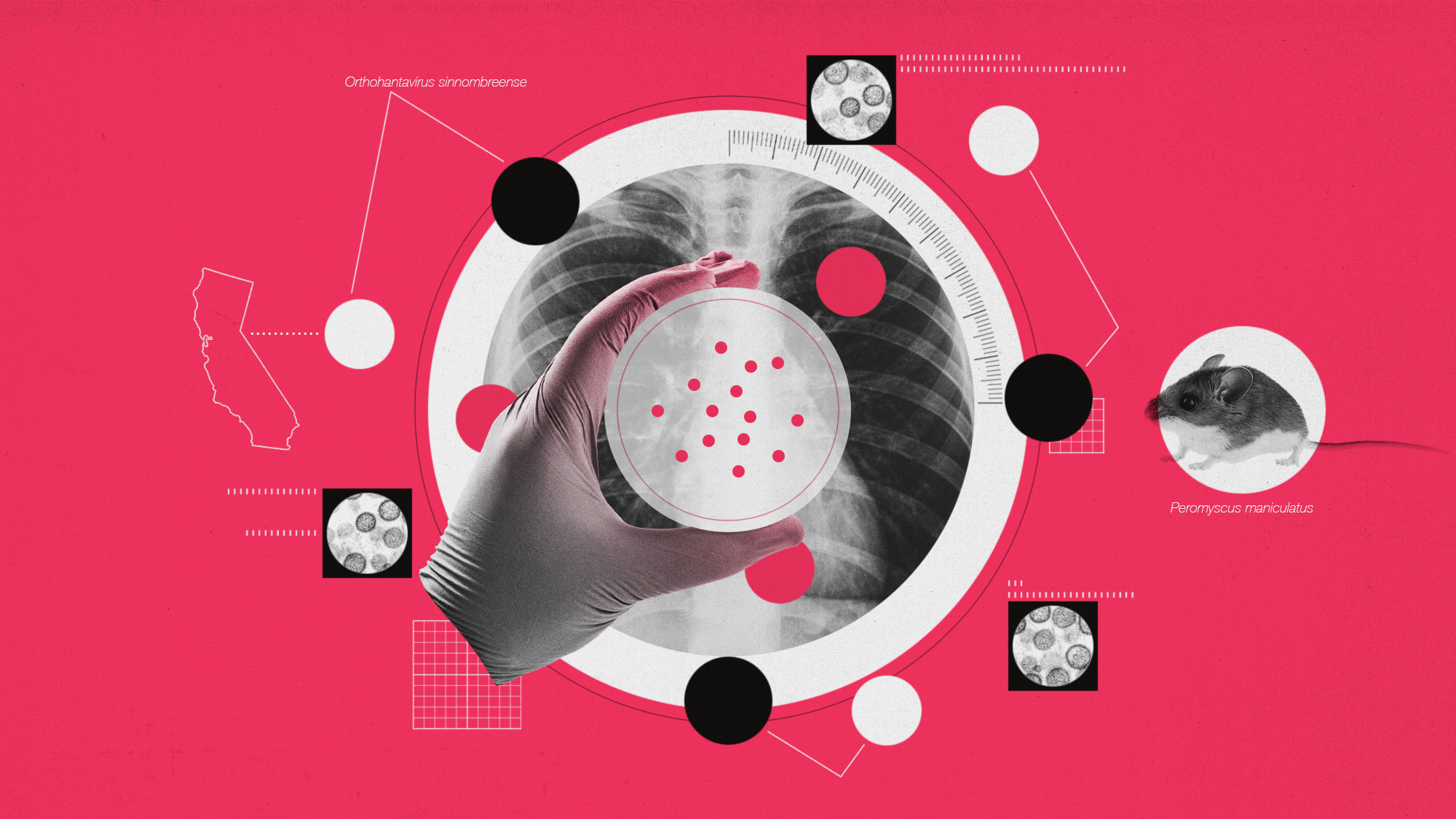
A rare but deadly pathogen, hantavirus, has emerged as a growing public health concern due to its ability to attack the respiratory system, often with fatal consequences. Primarily transmitted to humans through contact with infected rodents or their droppings, this virus has caused sporadic outbreaks worldwide, particularly in rural areas. Health experts warn that climate change and urbanization may increase risks, making awareness and prevention critical.
What Is Hantavirus and How Does It Spread?
Hantavirus belongs to a family of viruses spread mainly by rodents, particularly deer mice, cotton rats, and white-footed mice. Humans typically contract the disease through:
- Inhaling dust contaminated with rodent urine or feces
- Direct contact with rodent droppings, saliva, or nesting materials
- Rarely, through bites from infected rodents
According to the Centers for Disease Control and Prevention (CDC), the virus cannot spread from person to person in most strains, though rare cases of human-to-human transmission have been documented in South America.
The Alarming Health Impact of Hantavirus
Hantavirus primarily causes two severe syndromes: Hantavirus Pulmonary Syndrome (HPS) in the Americas and Hemorrhagic Fever with Renal Syndrome (HFRS) in Europe and Asia. HPS, the more lethal form, has a mortality rate of approximately 38%, according to CDC data.
“What makes hantavirus particularly dangerous is its rapid progression,” explains Dr. Laura Simmons, an infectious disease specialist. “Patients may initially experience flu-like symptoms, but within days, it can escalate to severe respiratory distress, requiring urgent medical intervention.”
Early symptoms include:
- Fever, fatigue, and muscle aches
- Headaches, dizziness, and chills
- Nausea, vomiting, or abdominal pain
Without prompt treatment, patients may develop fluid-filled lungs, leading to respiratory failure.
Geographic Hotspots and Rising Concerns
While hantavirus cases remain relatively rare, with about 20-50 annual cases reported in the U.S., certain regions face higher risks. The Four Corners area (Arizona, Colorado, New Mexico, and Utah) has historically seen clusters of HPS. Meanwhile, HFRS remains prevalent in parts of Asia and Europe.
Recent studies suggest climate change may expand rodent habitats, potentially increasing human exposure. A 2022 study in Nature Climate Change projected that warmer temperatures could extend rodent breeding seasons, raising the likelihood of human-rodent interactions.
Prevention Strategies: Reducing the Risk of Infection
Since no specific treatment or vaccine exists for hantavirus in the Americas, prevention remains the best defense. Health authorities recommend:
- Sealing gaps in homes to prevent rodent entry
- Storing food in rodent-proof containers
- Using gloves and masks when cleaning areas with rodent infestations
- Disinfecting surfaces with a bleach solution before sweeping droppings
“Public education is crucial,” emphasizes Dr. Raj Patel, a epidemiologist specializing in zoonotic diseases. “Many infections occur when people clean cabins or sheds after winter without proper precautions. Wetting down areas before cleaning can dramatically reduce risks.”
Diagnostic Challenges and Treatment Options
Diagnosing hantavirus remains difficult due to its nonspecific early symptoms, which often mimic influenza or COVID-19. Confirmatory tests typically require specialized laboratory analysis of blood or tissue samples.
While supportive care in hospitals—including oxygen therapy and mechanical ventilation—has improved survival rates, researchers continue seeking targeted treatments. Experimental antiviral drugs like ribavirin have shown mixed results, highlighting the need for further research.
The Future of Hantavirus Research and Preparedness
Scientists are working to develop vaccines, with several candidates in early-stage trials. Meanwhile, surveillance programs track rodent populations and virus strains to identify emerging threats.
As climate patterns shift and human settlements expand into wild areas, experts warn that hantavirus and other zoonotic diseases may become more prevalent. “This isn’t just about hantavirus—it’s about understanding how environmental changes affect disease transmission,” notes Dr. Simmons. “One Health approaches that consider human, animal, and environmental factors will be essential.”
For now, increased awareness and simple preventive measures offer the best protection against this hidden threat. Public health agencies urge anyone experiencing symptoms after potential rodent exposure to seek immediate medical attention and inform healthcare providers about the possible risk.
Call to Action: Learn more about rodent-proofing your home and recognizing hantavirus symptoms by visiting your local health department website or the CDC’s hantavirus resource page. Sharing this information could save lives in your community.
See more WebMD Network


