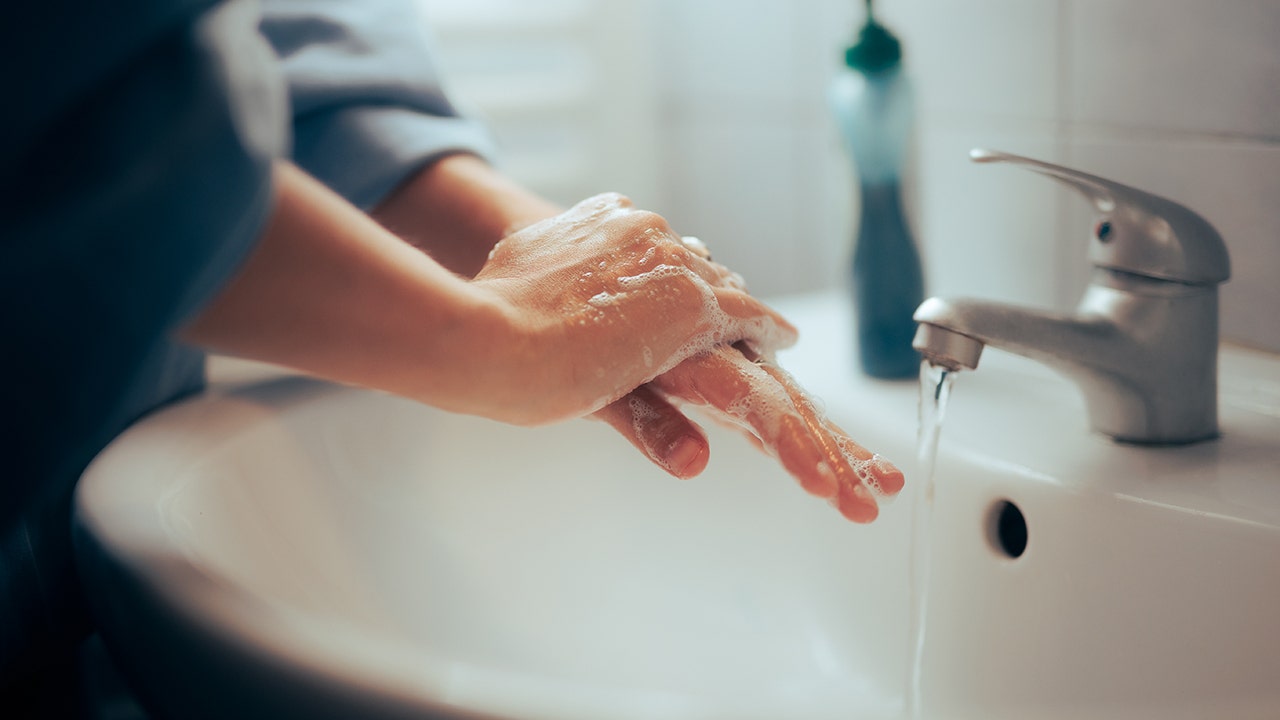
Unveiling the Top 4 Handwashing Missteps That Fuel Germ Spread
Despite decades of public health campaigns, millions of people still commit critical handwashing errors that accelerate the transmission of pathogens. Recent studies reveal that 95% of individuals fail to wash their hands correctly, contributing to preventable disease outbreaks. This article examines four widespread handwashing mistakes, their consequences, and science-backed solutions to break the chain of infection.
The Critical Role of Hand Hygiene in Disease Prevention
The Centers for Disease Control and Prevention (CDC) estimates that proper handwashing could prevent 30% of diarrhea-related illnesses and 20% of respiratory infections. Yet behavioral research from the American Society for Microbiology shows most people significantly overestimate their handwashing effectiveness.
“What we’re seeing is a dangerous disconnect between perception and reality in hygiene practices,” explains Dr. Elena Rodriguez, infectious disease specialist at Johns Hopkins. “People think a quick rinse constitutes cleaning, when in reality, they’re just redistributing pathogens.”
Mistake #1: Insufficient Washing Duration
The most prevalent error involves timing. A 2023 observational study in public restrooms found that 67% of individuals wash their hands for less than 10 seconds – far short of the CDC’s recommended 20-second minimum. This abbreviated cleaning fails to sufficiently disrupt microbial membranes or remove particulate matter.
- Problem: 15-second handwashing only removes about 90% of bacteria
- Solution: Sing “Happy Birthday” twice or use smartphone timers
- Impact: Proper duration reduces norovirus transmission risk by 53%
Mistake #2: Neglecting Key Surface Areas
Microscopic analysis reveals that people consistently miss thumbs, fingertips, and between fingers – areas accounting for 42% of hand contamination. A 2024 study in the Journal of Environmental Health found these neglected zones harbor 2-3 times more pathogens than frequently washed palms.
“The thumb is particularly problematic,” notes Dr. Michael Chen, microbiologist at Stanford University. “Its unique range of motion creates crevices that trap pathogens, yet it receives the least attention during washing.”
Mistake #3: Overlooking Drying Methods
Approximately 40% of individuals skip proper drying according to WHO data, creating ideal conditions for bacterial regrowth. Damp hands transfer microbes 10,000 times more efficiently than dry hands. Paper towels outperform air dryers, removing 77% of remaining bacteria through friction versus 23% with hot air alone.
Mistake #4: Poor Timing of Hand Hygiene
Critical moments for handwashing often get overlooked:
- Before food preparation (missed by 62% in home kitchens)
- After handling pets (neglected by 78% of pet owners)
- Following public transit use (skipped by 85% of commuters)
Research from MIT’s Touch Lab reveals that high-touch surfaces like doorknobs and railings accumulate up to 217 bacteria per square inch within hours of cleaning.
Emerging Solutions and Technological Advances
Innovations aim to bridge the handwashing gap:
- Smart faucets with usage tracking (demonstrating 40% compliance improvement in hospitals)
- UV-light verification systems for surface coverage
- Biodegradable indicator sprays that reveal missed areas
However, experts emphasize that technology should supplement rather than replace fundamental behavior change. “No device can compensate for lack of awareness,” cautions Dr. Rodriguez. “This remains primarily an education challenge.”
The Path Forward: Building Better Hygiene Habits
Public health officials recommend:
- Incorporating handwashing education in school curricula from early childhood
- Workplace training programs for food service and healthcare workers
- Community-based initiatives targeting high-risk populations
With antibiotic resistance increasing by 15% annually according to WHO data, proper hand hygiene represents our first line of defense. As global travel and urbanization accelerate pathogen spread, these fundamental practices take on new urgency.
Want to assess your handwashing technique? The CDC offers free printable guides and instructional videos to help families and workplaces improve hygiene standards.
See more WebMD Network


