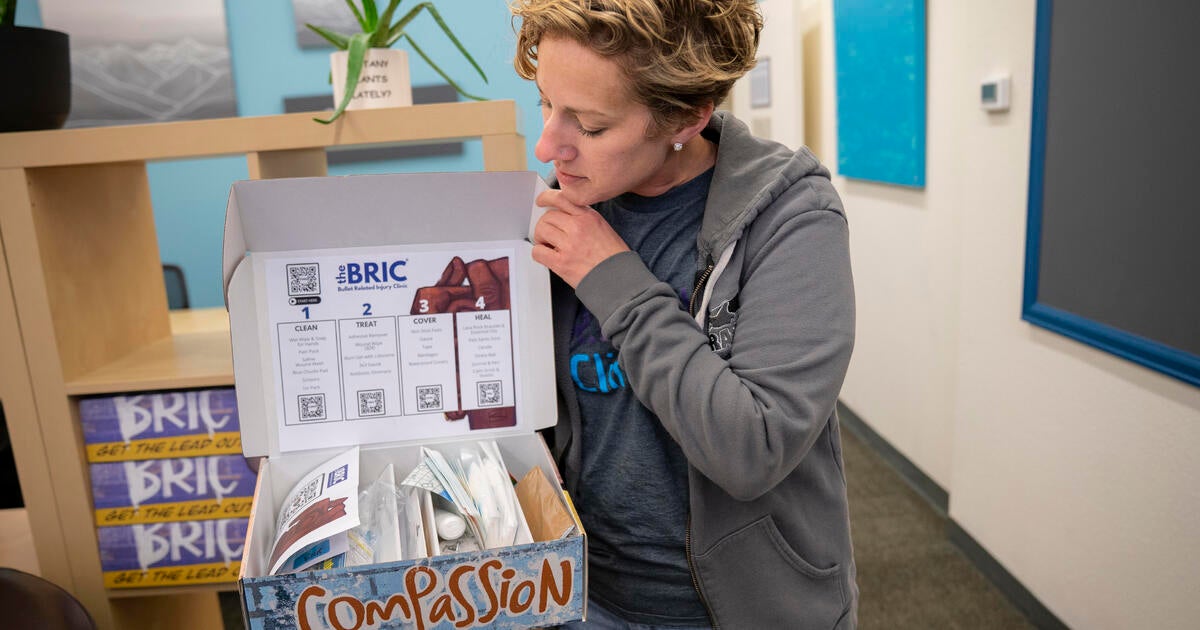
As gun violence continues to plague communities across the United States, hospitals have taken on a pivotal role in addressing this public health crisis. With the increasing number of firearm-related injuries, medical institutions are ramping up their efforts to implement effective prevention programs. However, the sustainability of these crucial initiatives is heavily influenced by federal funding challenges. This investigation delves into the complexities of how federal funding impacts hospital gun-violence prevention programs, exploring the implications of funding decisions on public health initiatives aimed at reducing firearm-related injuries.
The Rise of Gun Violence and Hospital Response
Gun violence in America has reached alarming levels, with thousands of lives lost each year. According to the Centers for Disease Control and Prevention (CDC), firearms were involved in over 45,000 deaths in 2020 alone. Hospitals, as frontline responders, are often the first point of care for gun violence victims. Beyond treating injuries, many hospitals are now actively engaged in preventive measures.
These measures include:
- Trauma-informed care programs
- Community outreach and education
- Partnerships with local organizations to provide resources
- Research initiatives to analyze gun violence trends
Impact of Federal Funding on Hospital Programs
Federal funding plays a crucial role in the implementation and sustainability of hospital gun-violence prevention programs. However, navigating the complexities of funding sources can be challenging. The main avenues for funding include federal grants, state allocations, and private donations, each with its own set of requirements and limitations.
Federal Grants and Their Role
Federal grants provide significant financial support for hospitals aiming to develop and expand gun-violence prevention programs. Agencies such as the Substance Abuse and Mental Health Services Administration (SAMHSA) and the CDC offer various grants designed to enhance public health initiatives. However, the competition for these funds is fierce, and the application process can be cumbersome.
Moreover, the availability of federal funding can be inconsistent. For instance, during politically charged periods, funding for health-related initiatives can be deprioritized. This inconsistency can lead to uncertainty for hospital administrators who rely on these funds to sustain their programs.
The Challenges of Funding Allocation
One significant challenge in federal funding allocation is the disparity in resource distribution across different regions. Urban hospitals, often overwhelmed by high rates of gun violence, may struggle to secure adequate funding compared to their rural counterparts. This inequity can hinder the effectiveness of prevention programs in areas most affected by gun violence.
Furthermore, funding often comes with stipulations that can limit program flexibility. Hospitals may find themselves constrained by the specific goals outlined by grantors, which may not align perfectly with the unique needs of their communities. Thus, while federal funding is vital, it can sometimes create bureaucratic hurdles that slow down the implementation of innovative solutions.
Innovative Approaches to Funding Hospital Programs
Despite the challenges, hospitals are finding innovative ways to secure funding for gun-violence prevention programs. Here are a few approaches:
- Public-Private Partnerships: Collaborations between hospitals and private organizations can provide additional funding streams. These partnerships often focus on community engagement and can enhance program visibility.
- Crowdfunding and Community Initiatives: Some hospitals have turned to crowdfunding platforms to raise money for specific projects. Community involvement in fundraising can also foster a sense of ownership and support for prevention initiatives.
- Research and Evidence-Based Practices: Hospitals that invest in research to demonstrate the effectiveness of their programs may find it easier to attract funding from both public and private sources. Evidence-based practices can bolster grant applications and secure ongoing financial support.
The Role of Advocacy in Securing Funding
Advocacy plays a crucial role in shaping funding landscapes for hospital gun-violence prevention programs. By raising awareness about the impact of gun violence on public health, advocates can influence policymakers and funding bodies to prioritize these initiatives. Grassroots campaigns, educational initiatives, and engagement with local communities can amplify the voices of those affected by gun violence, compelling stakeholders to take action.
Additionally, professional organizations, such as the American Hospital Association (AHA), have been instrumental in lobbying for increased federal support for hospital-based initiatives. Their efforts can help ensure that gun violence prevention remains a priority in public health discussions.
Future Directions: Ensuring Sustainability
Looking ahead, ensuring the sustainability of hospital gun-violence prevention programs requires a multifaceted approach. Here are some key strategies:
- Long-Term Funding Solutions: Hospitals should advocate for long-term federal funding solutions that provide stability and predictability for prevention programs.
- Data-Driven Decision Making: Utilizing data to demonstrate the efficacy of programs can help hospitals secure ongoing funding and support from various stakeholders.
- Community Engagement: Engaging local communities in the development and execution of programs can foster support and create a sense of shared responsibility in addressing gun violence.
Conclusion: A Collaborative Effort
As hospitals navigate the complexities of federal funding for gun-violence prevention programs, the need for collaboration and innovation has never been more apparent. The intersection of health care, policy, and community engagement is vital in creating effective solutions to this public health crisis. By advocating for sustainable funding, leveraging partnerships, and focusing on evidence-based practices, hospitals can continue to play a crucial role in reducing firearm-related injuries and saving lives.
While challenges remain, the commitment to addressing gun violence through hospital-based prevention programs is a testament to the resilience of health care providers and their dedication to the communities they serve. Together, with the right funding and support, we can navigate this crossfire and make meaningful strides toward a safer future.
See more WebMD Network


