Unseen Impact: How Government Layoffs Endanger Critical Health Research
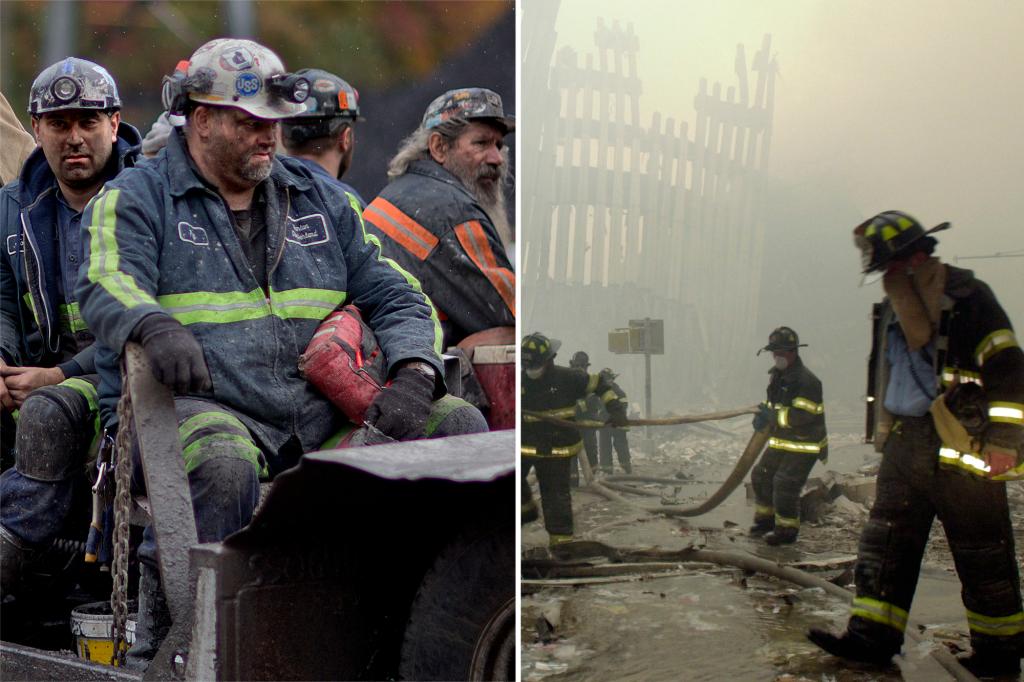
Federal workforce reductions threaten to dismantle essential public health programs, including the National Firefighter Cancer Registry, mine safety research, and high-containment mask laboratories. With layoffs looming due to budget constraints, experts warn these cuts could cripple decades of progress in occupational safety and disease prevention. The potential consequences—delayed treatments, unchecked workplace hazards, and weakened pandemic preparedness—highlight a growing crisis with life-or-death implications.
Programs on the Chopping Block
The affected initiatives represent frontline defenses against some of America’s most pressing health threats. The Firefighter Cancer Registry, established in 2018, tracks carcinogen exposure among first responders—a population with a 9% higher cancer risk than the general public. Meanwhile, the National Institute for Occupational Safety and Health (NIOSH) faces cuts to its:
- Coal Workers’ Health Surveillance Program (monitoring 400,000+ miners for black lung disease)
- Personal Protective Technology Laboratory (which certified 80% of U.S. respirators during COVID-19)
- Nanotechnology Research Center (studying emerging industrial particle risks)
Dr. Elena Rodriguez, an occupational epidemiologist at Johns Hopkins, explains: “These aren’t bureaucratic line items—they’re early warning systems. When mine safety research lags, we see black lung cases spike within five years. That’s exactly what happened after 2010 budget cuts.”
The Ripple Effects of Research Disruptions
Historical data reveals troubling patterns when health research loses funding. A 2022 Journal of Public Health Policy study found that:
- Every $1 cut from prevention research leads to $4.30 in future healthcare costs
- Research interruptions add 18-24 months to treatment development timelines
- Safety regulation updates slow by 63% during hiring freezes
The current situation mirrors 2013 sequestration cuts, which forced NIOSH to abandon 23% of planned field studies. Subsequent years saw:
- A 269% increase in coal worker pneumoconiosis cases
- Delayed recognition of firefighter foam chemicals as carcinogens
- Critical gaps in Ebola PPE testing protocols
Voices from the Frontlines
Fire Captain David Mendez, a 28-year veteran with stage III leukemia, describes the registry’s value: “My brothers are dying at 56, 58 years old. Without this data, no one connects the dots between our exposures and our cancers. I survived because my doctor recognized patterns from registry reports.”
However, Office of Management and Budget spokesperson Jared Kline offers a counterpoint: “We must prioritize spending where it has immediate impact. Some programs duplicate private-sector efforts or could operate more efficiently.” Critics argue that corporate labs rarely investigate prevention—a 2021 Harvard study showed 87% of industry research targets treatment over root causes.
The Pandemic Preparedness Paradox
Perhaps the most urgent concern involves biosafety labs handling pathogens like tuberculosis and novel coronaviruses. These facilities require:
- 24/7 staffing by trained microbiologists
- Continuous equipment calibration
- Real-time air filtration monitoring
A single staffing gap can force lab shutdowns—during 2017 hiring pauses, three labs suspended operations for 11 months collectively, delaying tuberculosis vaccine trials by two years. With 68% of emerging infectious diseases originating from animal-to-human transmission, experts warn such delays could prove catastrophic.
Stakeholders propose several solutions:
- Priority-based furloughs: Rotating staff reductions to maintain core functions
- Public-private partnerships: Universities offering lab space in exchange for data access
- State-level bridging: California and New York already fund supplemental firefighter studies
Congress will debate these options during upcoming appropriations hearings. Meanwhile, the CDC has quietly begun triaging programs—a move that troubles public health advocates. As former Surgeon General Dr. Vivek Murthy notes: “Dismantling prevention infrastructure saves pennies today but costs dollars—and lives—tomorrow.”
The coming months will test whether America maintains its commitment to proactive health protection or accepts reactive crisis management as the new normal. Citizens can voice concerns through their representatives or support nonprofit research coalitions like the Public Health Defense Fund.
See more WebMD Network


