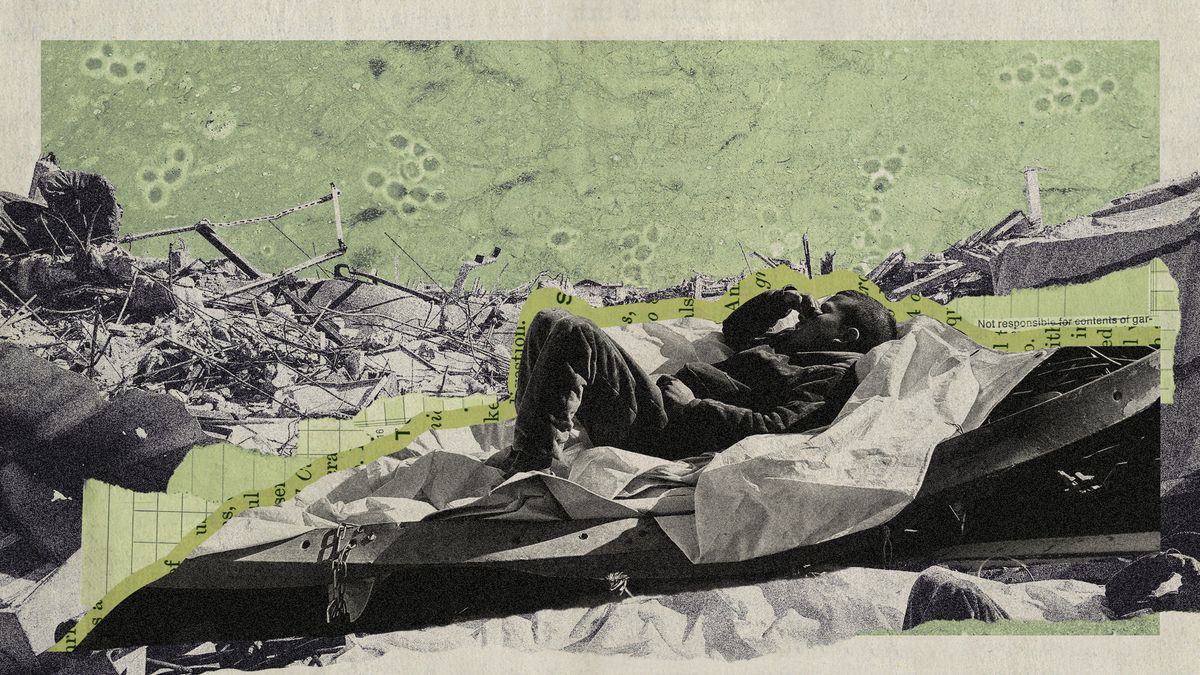
Rising Tides of Waste: The Alarming Garbage Crisis in Gaza
Gaza, a region beset by conflict and economic hardships, is currently facing a grave challenge that is escalating at an alarming rate: a waste management crisis. With garbage accumulating in overflowing heaps across urban spaces, the implications for public health, environmental safety, and local communities are profound and troubling. As the situation worsens, the need for effective waste management solutions has never been more critical.
The Current State of Waste Management in Gaza
The waste management infrastructure in Gaza has been under severe strain for years. The ongoing blockade, political instability, and recurrent conflicts have impeded the region’s ability to establish a robust waste management system. With a population density among the highest in the world, the sheer volume of waste generated far exceeds the capacity for proper disposal and treatment. In recent years, it has been estimated that Gaza produces approximately 1,500 tons of waste daily, with only a fraction being managed effectively.
Residents of Gaza often find themselves living in close proximity to mountains of garbage, which create not only an unsightly landscape but also a breeding ground for diseases. The impact of this crisis is multifaceted, affecting health, the environment, and the overall quality of life for the people living in this densely populated territory.
Health Risks Associated with the Garbage Crisis
The health risks posed by the garbage crisis in Gaza are alarming. Piles of waste can attract vermin and insects, which are known carriers of diseases such as leptospirosis and dengue fever. Furthermore, the decomposition of organic waste can lead to the release of harmful gases, contributing to respiratory issues among the population.
- Vector-borne Diseases: The accumulation of waste creates ideal conditions for the proliferation of disease vectors like mosquitoes and rats.
- Respiratory Problems: The emission of toxic gases from decomposing waste can aggravate pre-existing respiratory conditions and lead to new health complications.
- Water Contamination: Leachate from landfills can seep into groundwater, compromising drinking water quality.
Residents, particularly children and the elderly, are most vulnerable, facing heightened risks of infections and chronic health issues. This deteriorating health situation calls for immediate attention and intervention to mitigate these risks.
Environmental Implications of Waste Accumulation
The environmental consequences of the garbage crisis in Gaza extend beyond immediate health risks. Improper waste disposal can lead to severe soil and water pollution, affecting agriculture and natural ecosystems. The region, which relies heavily on agriculture, faces the threat of contaminated land and water sources, jeopardizing food security.
Furthermore, the burning of waste, a common practice due to limited disposal options, releases harmful pollutants into the air, contributing to air quality deterioration. This not only affects the local environment but also poses broader implications for climate change, as greenhouse gases are emitted during combustion.
Community Response and Resilience
Despite the overwhelming challenges, the people of Gaza have shown remarkable resilience in the face of adversity. Local communities, NGOs, and international organizations are making efforts to address the waste management crisis. Grassroots initiatives are emerging, focusing on waste reduction, recycling, and community clean-up campaigns.
- Community Clean-Up Drives: Local groups organize regular clean-up events to remove litter and promote environmental awareness.
- Recycling Initiatives: Efforts are underway to educate residents about recycling and the importance of waste segregation at the source.
- Advocacy for Improved Infrastructure: Activists are pushing for better waste management policies and infrastructure investment from both local authorities and international bodies.
These initiatives, while commendable, require sustained support and resources to make a significant impact. The international community’s involvement is crucial in providing both financial and technical assistance to bolster these efforts.
Innovative Solutions and Sustainable Practices
Addressing the garbage crisis in Gaza demands innovative solutions tailored to the region’s unique circumstances. Sustainable waste management practices can be implemented, focusing on reducing waste generation and enhancing recycling efforts. Here are some potential strategies:
- Waste-to-Energy Technologies: Investing in waste-to-energy facilities could help convert waste into usable energy, reducing landfill use while generating electricity.
- Composting Programs: Initiating community composting programs can help manage organic waste effectively, turning it into valuable fertilizer.
- Public Awareness Campaigns: Educating the community about waste reduction, recycling, and responsible consumption can foster a culture of sustainability.
Collaboration between local authorities, NGOs, and international agencies will be vital in implementing these solutions effectively. A coordinated approach can help not only to alleviate the current crisis but also to prevent future waste management issues.
Conclusion: A Call to Action
The garbage crisis in Gaza is a pressing issue that affects the health and well-being of its residents and the environment as a whole. As the tides of waste continue to rise, it is imperative for all stakeholders—local authorities, international organizations, and community members—to come together to tackle this challenge head-on. By investing in sustainable waste management solutions and fostering community engagement, Gaza can pave the way for a cleaner, healthier future.
In conclusion, while the situation is dire, it is not insurmountable. With concerted efforts and innovative thinking, Gaza can rise above the waste crisis and build a sustainable path forward. The time for action is now, and every small step taken today will contribute to a brighter tomorrow for the people of Gaza.
See more WebMD Network


