The Hidden Costs of Frozen Foods: 15 Items to Avoid
In today’s fast-paced world, frozen foods seem like a convenient solution for busy lives. However, the hidden costs of frozen foods can often outweigh their convenience. While they can save time and effort in meal prep, certain frozen items may compromise quality, flavor, and even nutritional value. This guide will explore which frozen foods to avoid and why fresh alternatives can be a better choice for your culinary experience.
Understanding the Hidden Costs
When considering frozen foods, many consumers overlook the potential drawbacks. The hidden costs of frozen foods extend beyond the price tag. These costs can include:
- Flavor Loss: Freezing can alter the taste of certain foods, leading to a less enjoyable meal.
- Nutritional Degradation: Some nutrients may degrade during the freezing process, impacting the health benefits of the food.
- Texture Changes: Freezing can change the texture of foods, making them mushy or unappetizing after cooking.
- Added Preservatives: Many frozen foods contain preservatives and additives that can detract from their overall healthfulness.
Let’s delve into 15 specific frozen food items that you might want to think twice about before tossing them into your shopping cart.
15 Frozen Foods to Avoid
1. Frozen Vegetables with Sauces
While frozen vegetables can be a healthy option, those pre-packaged with sauces often contain high levels of sodium and preservatives. Opt for plain frozen vegetables and season them yourself.
2. Frozen Meals
Many frozen dinners are marketed as healthy but often contain high amounts of sodium, unhealthy fats, and added sugars. Freshly prepared meals, even simple ones, are usually much healthier.
3. Frozen Fish Fillets
Though convenient, many frozen fish products are coated in breading or preservatives, which can mask the quality of the fish. Fresh fish is often a better choice for flavor and health.
4. Frozen Berries
While frozen fruit can be a good option, frozen berries are often treated with additives to maintain color and texture. Fresh, seasonal berries provide superior taste and nutrients.
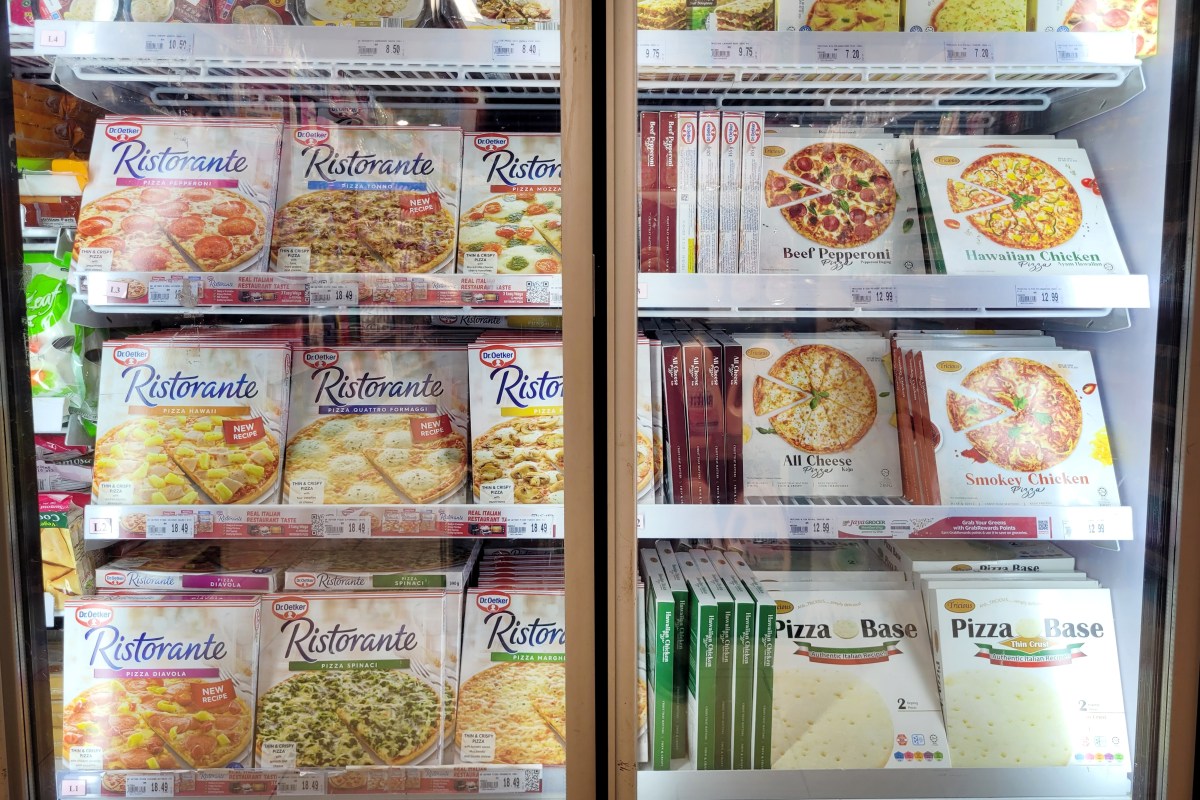
5. Frozen Pizza
Frozen pizzas can be loaded with unhealthy fats and preservatives. Making your own pizza at home gives you control over ingredients and allows for healthier toppings.
6. Frozen Breakfast Sandwiches
These are often high in sodium and unhealthy fats. A homemade breakfast option can be healthier and more satisfying.
7. Frozen Potatoes (French Fries, Tater Tots)
Frozen potatoes are often fried before freezing, which adds unnecessary calories and unhealthy fats. Consider baking fresh potatoes for a healthier alternative.
8. Frozen Desserts
Ice cream and other frozen desserts can be loaded with sugar and unhealthy fats. Opt for fresh fruit or homemade treats for a healthier dessert option.
9. Frozen Chicken Nuggets
These are often made with low-quality meat and fillers, resulting in a product that’s less nutritious. Homemade chicken tenders can be a much healthier alternative.
10. Frozen Breaded Foods
Items like breaded shrimp or chicken are often high in calories and unhealthy ingredients. Fresh, unprocessed proteins are a better choice.
11. Frozen Soups
While convenient, many frozen soups contain preservatives and high levels of sodium. Homemade soups can be healthier and more flavorful.
12. Frozen Pasta Dishes
Many frozen pasta meals are low in nutritional value and high in sodium. Cooking fresh pasta with vegetables and lean proteins is a healthier choice.
13. Frozen Smoothie Packs
These often contain sugars and additives. Making smoothies with fresh fruits and vegetables allows you to control the ingredients and enhance flavor.
14. Frozen Meat Alternatives
Many frozen meat substitutes are highly processed and can be loaded with sodium and preservatives. Fresh plant-based proteins are generally healthier and more satisfying.
15. Frozen Fruit Juices
Frozen juice concentrates often contain added sugars. Freshly squeezed juice or whole fruits are far more nutritious options.
Why Fresh Alternatives Shine
Opting for fresh alternatives over frozen foods can significantly enhance your culinary experience. Here are a few reasons why:
- Better Flavor: Fresh ingredients typically have a superior taste compared to their frozen counterparts.
- Higher Nutritional Value: Fresh produce retains more vitamins and minerals, making meals more healthful.
- Customization: Cooking with fresh ingredients allows for greater creativity and personalization in meals.
- Fewer Additives: Fresh foods are less likely to contain preservatives and artificial ingredients.
Making the Transition
Transitioning from frozen foods to fresh ingredients doesn’t have to be daunting. Here are some tips to ease the process:
- Plan Ahead: Create a weekly meal plan that incorporates fresh ingredients.
- Shop Seasonally: Use seasonal produce for the best flavor and price.
- Batch Cook: Prepare meals in advance using fresh ingredients to save time during the week.
- Explore Local Markets: Farmers’ markets often offer fresh produce at competitive prices.
Conclusion
While frozen foods offer convenience, the hidden costs of frozen foods—ranging from compromised flavor to nutritional degradation—can significantly affect your meals. By avoiding certain frozen items and opting for fresh alternatives, you can enhance both the taste and quality of your culinary creations. Making informed choices about what goes into your meals is key to enjoying a healthier, more satisfying diet. Armed with this knowledge, you can navigate the frozen food aisle with confidence, ensuring that every meal is a delicious one.
See more WebMD Network


