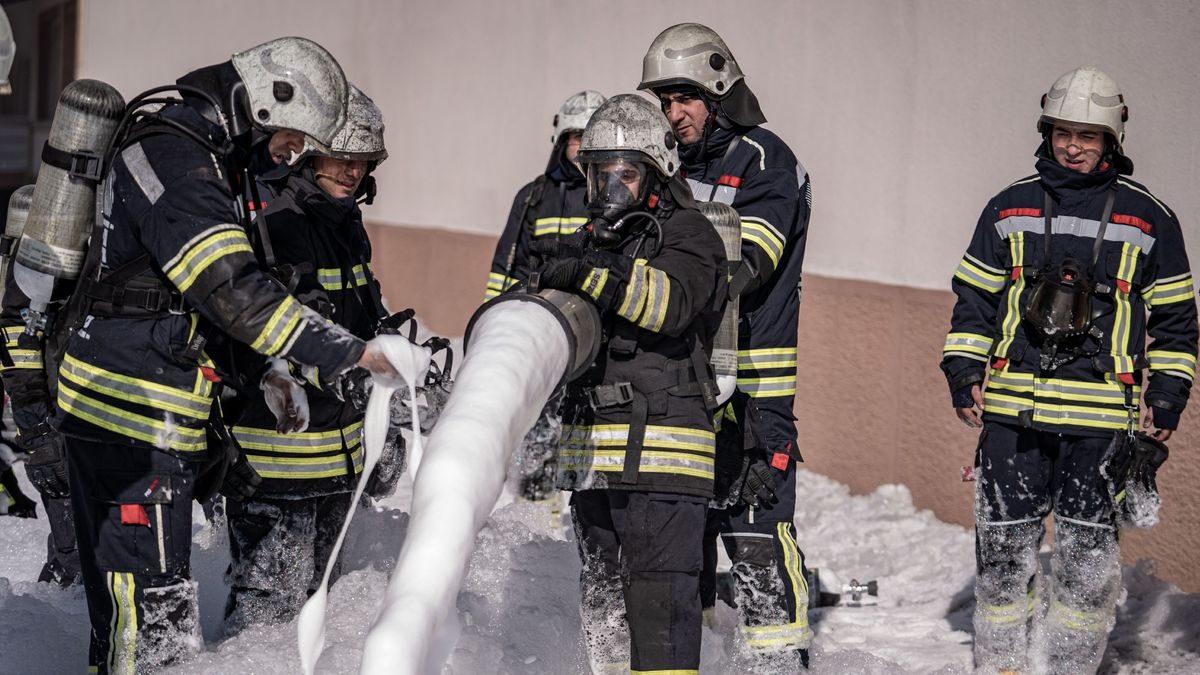
Unraveling the Impact of Forever Chemicals on Firefighters
Firefighters are known for their bravery, often putting their lives on the line to protect communities from the ravages of fire and other emergencies. However, a growing concern is emerging regarding the impact of “forever chemicals,” scientifically known as per- and polyfluoroalkyl substances (PFAS), on their health and safety. These substances, characterized by their persistence in the environment and human body, pose significant risks to the firefighting community. In this article, we will delve deep into the implications of forever chemicals on firefighters, examining the risks they face on the job and the potential long-term consequences. We will also explore how these substances are reshaping protocols and protections within the firefighting community.
Understanding Forever Chemicals
Forever chemicals are a class of synthetic compounds that have been used in a variety of applications since the mid-20th century. They are primarily known for their water- and grease-resistant properties, making them popular in products such as non-stick cookware, waterproof clothing, and even firefighting foams. However, their molecular structure makes them highly stable, which means they do not break down easily in the environment or the human body. This persistence leads to bioaccumulation, where these chemicals accumulate in living organisms over time, raising alarms about their health implications.
The Risk Factors for Firefighters
Firefighters are uniquely susceptible to exposure to forever chemicals due to their regular use of firefighting foams that contain PFAS. These foams are designed to suppress flammable liquid fires, especially those involving hydrocarbons such as oil and gasoline. While effective, the frequent use of these foams in training and actual fire suppression exposes firefighters to dangerous levels of PFAS.
- Direct Exposure: Firefighters may come into direct contact with PFAS-laden water and foam during firefighting operations.
- Inhalation Risks: The combustion of materials treated with PFAS can release harmful particles into the air, which firefighters may inhale.
- Contaminated Gear: Firefighting gear may be treated with PFAS for water resistance, leading to further exposure over time.
Health Implications of PFAS Exposure
The health implications of exposure to forever chemicals are alarming and wide-reaching. Research has linked PFAS exposure to several serious health effects, including:
- Increased Cancer Risk: Studies suggest a potential link between PFAS exposure and increased risks of certain cancers, particularly kidney and testicular cancer.
- Hormonal Disruption: PFAS can interfere with hormonal systems, leading to reproductive issues and developmental problems in children.
- Immune System Effects: There is evidence that PFAS exposure may weaken the immune response, making individuals more susceptible to infections.
- Cholesterol Levels: Some studies indicate that PFAS exposure is associated with increased cholesterol levels, contributing to heart disease risks.
Current Research and Findings
Recent studies have highlighted the extent of PFAS contamination in firefighting communities. Research conducted by the U.S. Centers for Disease Control and Prevention (CDC) and other institutions reveals that firefighters often have elevated levels of PFAS in their blood compared to the general population. A study published in the Journal of Occupational and Environmental Medicine found that firefighters exposed to PFAS had a significantly higher prevalence of certain health conditions compared to their non-firefighting peers.
Moreover, an investigation by the Environmental Protection Agency (EPA) has led to increased scrutiny of the firefighting foams currently in use. The agency is working towards establishing stricter regulations on PFAS, aiming to phase out the use of these chemicals in firefighting applications.
Reshaping Firefighting Protocols
In light of the growing awareness of the dangers posed by forever chemicals, many fire departments are beginning to reevaluate their protocols and equipment. Here are several key changes being implemented:
- Transitioning to Safer Alternatives: Fire departments are exploring the use of PFAS-free firefighting foams, which perform effectively without the associated health risks.
- Enhanced Training: Training programs are being updated to educate firefighters about the risks of PFAS and the importance of personal protective equipment (PPE) in minimizing exposure.
- Health Monitoring: Departments are initiating health monitoring programs to track the long-term effects of PFAS exposure among firefighters, ensuring early detection of potential health issues.
Advocacy and Support for Firefighters
Advocacy groups are emerging to support firefighters affected by PFAS exposure. Organizations like the International Association of Fire Fighters (IAFF) are pushing for better protections and health support for their members. They are advocating for:
- Research Funding: Increased funding for research on the health effects of PFAS on firefighters to inform better safety practices.
- Legislative Action: Stronger regulations governing the use of PFAS in firefighting and other applications to minimize future exposure risks.
- Access to Healthcare: Comprehensive healthcare support for firefighters, including regular screenings for PFAS-related health issues.
A Call to Action
The implications of forever chemicals on firefighters are profound, necessitating a collective response from fire departments, policymakers, and the community. By understanding the risks associated with PFAS, the firefighting community can take proactive steps to safeguard their health and well-being.
As we move forward, it is crucial to advocate for safer alternatives, enhance training, and support ongoing research into the effects of PFAS exposure. Firefighters are the frontline defenders of our safety; ensuring their health is paramount to maintaining the safety of our communities.
Conclusion
The impact of forever chemicals on firefighters is a pressing issue that demands attention. As research continues to unveil the risks associated with PFAS exposure, it becomes increasingly vital for departments to adapt their practices and protect their personnel. Through awareness, advocacy, and action, we can work towards a safer future for firefighters, ensuring they can perform their heroic duties without compromising their health.
See more WebMD Network


