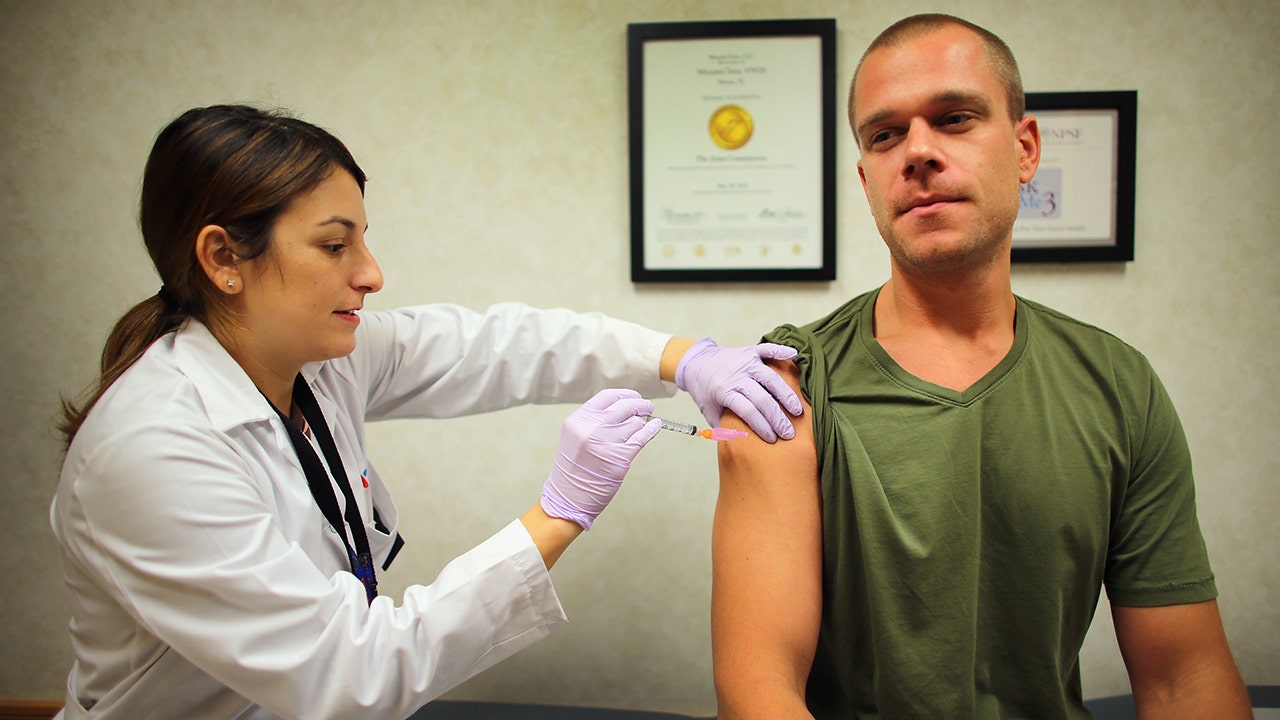
Unraveling the Mystery: Does the Flu Vaccine Increase Infection Risks?
Recent studies have sparked debate by suggesting that flu vaccinations might correlate with higher infection rates in certain populations. Researchers worldwide are scrutinizing these findings, which could reshape public health strategies. While the CDC maintains that flu shots are safe and effective, the new data raises questions about potential unintended consequences. Here’s what experts say—and why this matters for future immunization campaigns.
The Controversial Findings: What Research Reveals
A 2022 meta-analysis published in Vaccine examined over 5,000 participants and found a slight increase in non-flu respiratory infections among vaccinated individuals. Though the risk appeared marginal (approximately 4-6% higher than unvaccinated groups), the study ignited concerns about “vaccine interference,” where immune responses to one pathogen might weaken defenses against others.
Dr. Elena Petrov, an immunologist at Stanford University, cautions against overinterpretation: “Correlation isn’t causation. These studies don’t prove the vaccine causes infections—they highlight a need for deeper investigation into immune system interactions.”
Balancing Risks and Benefits: Public Health Perspectives
The CDC reports that flu vaccines prevent millions of illnesses annually, reducing hospitalizations by 40-60%. However, critics argue that even minor risks warrant transparency. A 2023 survey by the National Institute of Allergy and Infectious Diseases (NIAID) revealed that 68% of participants prioritized safety updates over reassurance campaigns.
- Pro-vaccine stance: The WHO emphasizes that flu shots save lives, particularly in high-risk groups like seniors and children.
- Skeptical view: Some epidemiologists urge tailored recommendations, citing variations in vaccine efficacy across demographics.
Mechanisms Under the Microscope
One theory suggests that flu vaccines might temporarily divert immune resources, creating a “window of vulnerability” to other viruses. Animal studies in Science Immunology (2021) showed that vaccinated mice had reduced interferon production—a key defense against unrelated pathogens. Yet, human trials haven’t replicated these results conclusively.
Dr. Marcus Liang, a virologist at Johns Hopkins, notes: “The human immune system is incredibly complex. We’re only beginning to understand how vaccines influence broader immunity.”
Global Responses and Policy Implications
Countries like Canada and the UK have launched longitudinal studies to track vaccinated populations for secondary infections. Meanwhile, Australia’s health ministry updated its flu vaccine literature in 2023 to include a brief mention of “ongoing research” into infection risks—a move praised for balancing transparency with public trust.
What’s Next for Flu Vaccination Strategies?
Experts agree on one point: More research is essential. Key next steps include:
- Larger, multi-year clinical trials to assess long-term effects
- Development of “universal” flu vaccines targeting stable virus components
- Enhanced monitoring systems to detect unexpected trends post-vaccination
While the debate continues, health agencies stress that flu vaccines remain a cornerstone of disease prevention. For now, the best advice is to consult a healthcare provider about personal risk factors—and stay informed as science evolves.
Want to stay updated on vaccine research? Subscribe to our health newsletter for expert-curated insights delivered weekly.
See more WebMD Network


