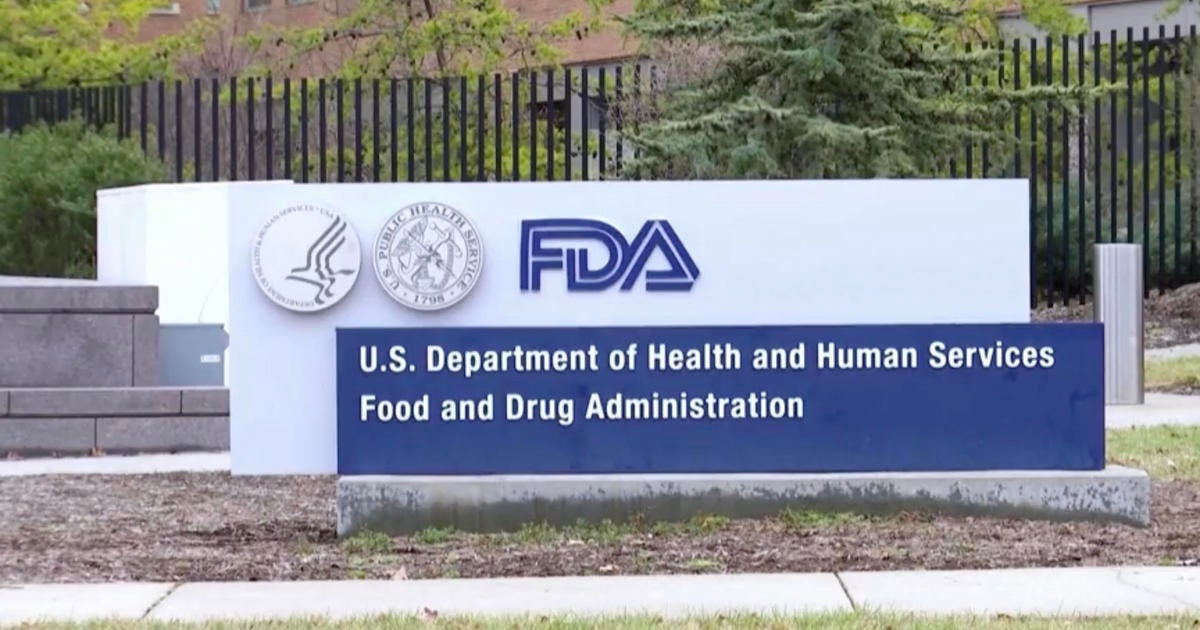
FDA’s Role in Revamping Flu Vaccines: A New Chapter Post-Trump Ban
The landscape of global health is constantly evolving, and the recent revival of the FDA’s involvement in flu vaccine development signifies a critical juncture in pandemic preparedness. After a period marked by restrictions under the previous administration, the FDA is re-establishing its collaborative efforts with the World Health Organization (WHO) to enhance the efficacy and accessibility of flu vaccines. This initiative not only aims to bolster public health responses but also reflects a broader strategy to foster international health cooperation.
A Shift in Paradigm: The Context of the Trump Administration’s Restrictions
During the Trump administration, the FDA faced significant challenges in its operational scope, particularly concerning international collaborations. The focus on “America First” often translated into a hesitance to engage fully with global health entities. This approach had profound implications for the flu vaccine production process, particularly in how quickly and effectively vaccines could be developed and distributed in response to emerging strains of the influenza virus.
As the world grappled with the COVID-19 pandemic, the limitations imposed on global health partnerships became increasingly evident. The inability to swiftly adapt flu vaccines to changing viral landscapes hindered collective efforts to safeguard populations worldwide. With the new administration, the FDA is now poised to mend these frayed ties and re-engage with international partners.
Collaboration with WHO: A New Era of Vaccine Development
The FDA’s renewed partnership with the WHO is a watershed moment in global health strategy. This collaboration is centered on updating flu vaccines to ensure they are not only effective against current strains but also adaptable to future mutations. The key aspects of this collaboration include:
- Rapid Response Framework: Developing a more agile framework that allows for quicker updates to the vaccine composition as new strains emerge.
- Shared Data Resources: Leveraging data from both the FDA and WHO to create a robust database that tracks flu virus mutations globally.
- Streamlined Approval Processes: Working towards expediting the approval processes for seasonal flu vaccines, ensuring they reach the public in a timely manner.
This partnership not only enhances the scientific foundation upon which vaccines are developed but also underscores the importance of solidarity in global health initiatives. By working together, these organizations aim to create a blueprint for future vaccine responses, which could be pivotal in averting pandemics.
The Importance of Seasonal Flu Vaccination
Flu vaccines play a vital role in public health. Each year, seasonal influenza affects millions, leading to hundreds of thousands of hospitalizations and tens of thousands of deaths. Vaccination is the most effective way to reduce these numbers, protecting not only individuals but also communities by establishing herd immunity.
With the FDA’s renewed focus on flu vaccine enhancement, the benefits of vaccination are expected to increase significantly. Some anticipated outcomes include:
- Increased Vaccine Efficacy: Enhanced formulations tailored to match circulating viral strains closely.
- Broader Accessibility: Improved distribution networks and partnerships to ensure vaccines reach under-resourced areas.
- Public Awareness Campaigns: Increased efforts to educate the public on the importance of vaccination, particularly in diverse communities.
Looking Ahead: Challenges and Opportunities
While the FDA’s collaboration with the WHO offers numerous advantages, several challenges must be addressed to optimize this partnership’s effectiveness:
- Global Vaccine Equity: Ensuring that vaccine access is equitable across different socioeconomic contexts remains a pressing issue. The FDA’s role will extend beyond development to advocacy for fair distribution.
- Funding and Resources: Sustained investment in research and development is essential. The FDA and WHO must work together to secure funding for innovative vaccine technologies.
- Public Trust: Building and maintaining public trust in vaccines is crucial. This will require transparency, effective communication, and addressing vaccine hesitancy.
Despite these challenges, the FDA’s renewed commitment to working with the WHO signals a promising future for flu vaccination efforts worldwide. With a collective focus on innovation, collaboration, and community engagement, this partnership aims to fortify global health systems against the ever-evolving threats posed by influenza and other infectious diseases.
The Role of Technology in Revamping Flu Vaccines
In tandem with collaborative efforts, the integration of technology in vaccine development is transforming how flu vaccines are designed and produced. The FDA is embracing advanced technologies such as:
- mRNA Technology: Following the success of mRNA vaccines for COVID-19, this technology offers a promising avenue for developing flu vaccines that are both effective and swift to produce.
- Artificial Intelligence: AI can analyze vast datasets to predict which flu strains are likely to circulate in the upcoming season, enabling timely updates to vaccine formulations.
- Genomic Surveillance: Enhanced genomic surveillance systems allow for real-time tracking of virus mutations, informing vaccine design and distribution strategies.
These technological advancements not only streamline the vaccine development process but also enhance the FDA’s ability to respond to public health challenges more effectively. As these innovations are integrated into the flu vaccine landscape, they promise to elevate the standards of vaccine efficacy and safety.
Conclusion: A Unified Approach to Global Health
The FDA’s revitalized role in flu vaccine development, marked by its collaboration with the WHO, heralds a new chapter in pandemic preparedness and response. As the world faces the constant threat of infectious diseases, the importance of international cooperation cannot be overstated. The future of flu vaccination hinges on the ability of global health organizations to work together, leveraging technology, resources, and knowledge to safeguard public health.
In embracing this collaborative spirit, the FDA is not just revamping flu vaccines; it is also reinforcing the foundation of global health security. By prioritizing accessibility, efficacy, and public education, this initiative sets the stage for a healthier, more resilient world, poised to confront the challenges of tomorrow.
See more WebMD Network


