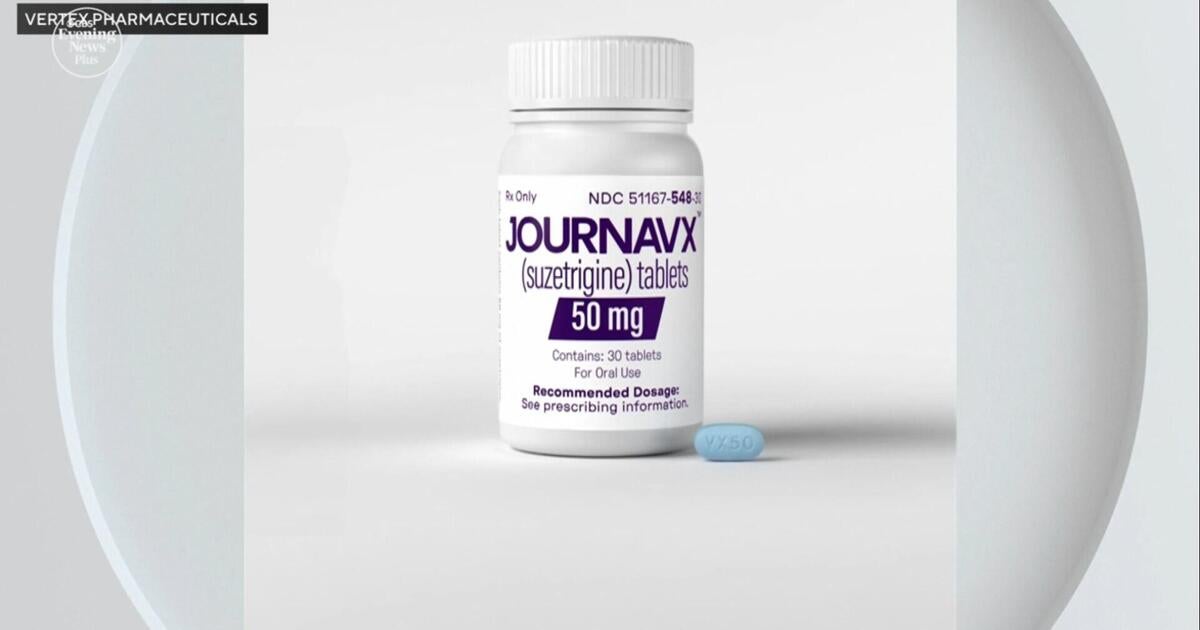
Revolutionizing Pain Management: The FDA’s Bold Move Against Opioids
The recent FDA approval of a groundbreaking non-opioid pain medication marks a significant turning point in the realm of pain management. This innovative treatment not only offers a safer alternative to traditional opioids but also represents a critical step in addressing the ongoing opioid crisis that has plagued the United States for years. With this shift, healthcare professionals and patients are now engaged in vital discussions about the future of pain relief and the potential for a new standard of care.
The Opioid Crisis: A Brief Overview
To understand the significance of the FDA’s bold move, we must first acknowledge the gravity of the opioid crisis. Over the last two decades, the United States has witnessed an alarming surge in opioid prescriptions, leading to widespread addiction and thousands of overdose deaths annually. According to the National Institute on Drug Abuse, more than 80,000 people died from opioid overdoses in 2020 alone.
The crisis has prompted a reevaluation of pain management methods, with a growing consensus that alternatives to opioids are urgently needed. Healthcare providers are increasingly seeking safer, effective options that can alleviate pain without the risks associated with opioid use.
The FDA’s Groundbreaking Approval
In a landmark decision, the FDA has approved a non-opioid medication that is poised to transform pain management strategies. This new drug, developed after years of research, utilizes a novel mechanism of action that targets pain pathways without the addictive properties of opioids. Its efficacy has been substantiated through rigorous clinical trials, showcasing its ability to provide significant pain relief for a variety of conditions, including chronic pain, arthritis, and post-surgical pain.
The approval of this medication is not only a response to the opioid epidemic but also a beacon of hope for millions of patients suffering from chronic pain who have been hesitant to use opioids due to their addictive nature.
Benefits of the New Non-Opioid Medication
This new treatment offers several key advantages over traditional opioids:
- Reduced Risk of Addiction: Unlike opioids, this medication does not activate the brain’s reward system in the same way, significantly lowering the risk of dependency and addiction.
- Effective Pain Relief: Clinical studies indicate that patients experience substantial pain relief comparable to opioids, allowing for improved quality of life.
- Fewer Side Effects: Patients report fewer side effects, such as constipation and sedation, which are commonly associated with opioid use.
- Accessibility: Being a non-opioid option, it can be prescribed more liberally, offering a wider range of patients access to effective pain management.
Implications for Healthcare Providers
The FDA’s approval of this non-opioid pain medication will undoubtedly impact how healthcare providers approach pain management. It offers a new tool in their arsenal, one that allows for a more comprehensive and responsible approach to treating patients with pain. Here are some implications for healthcare providers:
- Enhanced Treatment Plans: Providers can now customize treatment plans that minimize opioid use while still effectively addressing patient pain.
- Patient Education: There will be a growing need for healthcare professionals to educate patients on the benefits and limitations of this new medication compared to traditional opioids.
- Monitoring and Support: Continuous monitoring of patient responses to the medication will be essential to ensure optimal outcomes and adjust treatment as necessary.
Patient Perspectives on Non-Opioid Pain Management
For patients, the approval of a non-opioid pain medication brings a mix of hope and cautious optimism. Many individuals living with chronic pain have long felt trapped by the limitations of opioid medications. With this new option, patients can explore effective pain management strategies without the fear of addiction.
Moreover, patients are encouraged to engage in open discussions with their healthcare providers about this new medication, discussing potential benefits and any concerns they may have. This collaborative approach empowers patients and promotes better health outcomes.
The Future of Pain Management
The FDA’s bold move against opioids sets the stage for a paradigm shift in pain management. As this new medication begins to permeate the healthcare landscape, it is likely that research into other non-opioid alternatives will accelerate. Innovations in pain management could further enhance the quality of care provided to patients, ultimately leading to a reduction in the reliance on opioids.
Furthermore, this approval has sparked renewed interest in holistic and multidisciplinary approaches to pain management, including physical therapy, cognitive-behavioral therapy, and lifestyle modifications. By integrating various strategies, healthcare providers can better support patients in their pain management journey.
A Call for Continued Research and Development
While the FDA’s approval is a significant milestone, it is crucial to continue exploring new avenues for pain management. Investment in research and development of non-opioid medications should remain a priority, alongside education and training for healthcare professionals on the implementation of these new treatments.
Additionally, there is a pressing need for ongoing studies to monitor the long-term effects and efficacy of this new medication in diverse patient populations. Understanding how different demographics respond to non-opioid treatments will be vital in personalizing pain management strategies.
Conclusion: A New Era in Pain Management
The FDA’s approval of a groundbreaking non-opioid pain medication represents a pivotal moment in the fight against the opioid crisis. By offering a safer alternative for pain relief, this innovation not only addresses the pressing need for effective pain management but also restores hope to countless individuals struggling with chronic pain.
As we stand on the brink of this new era in pain management, it is essential for patients and healthcare professionals to embrace this change. Together, they can navigate the complexities of pain management, fostering a future where effective, safe, and compassionate care is the norm.
See more WebMD Network


