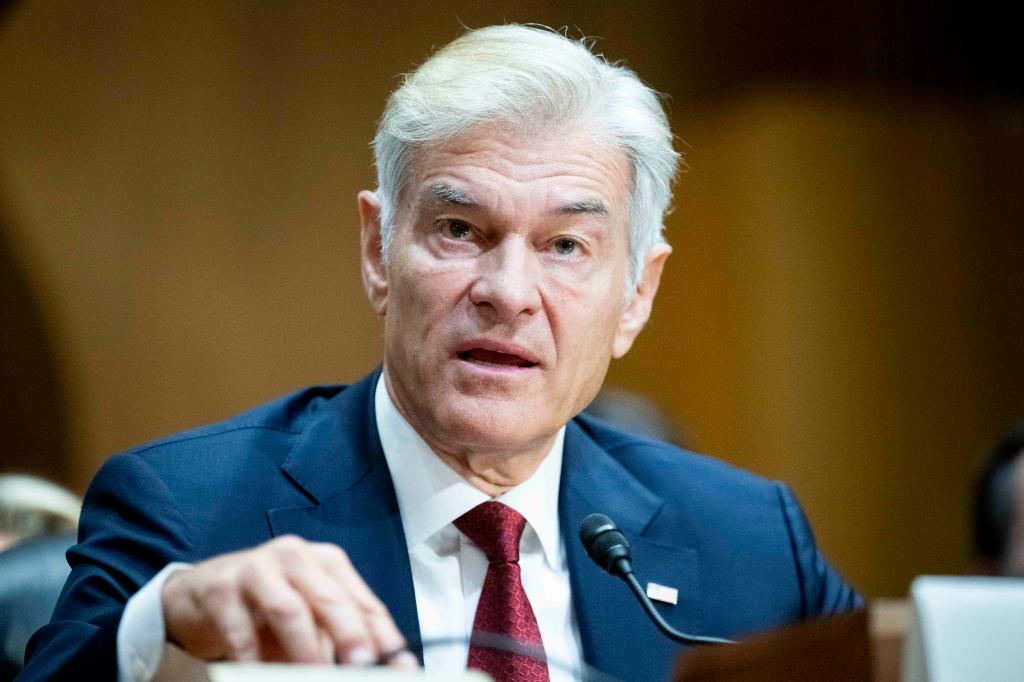
Dr. Oz Takes the Helm: What His Appointment Means for Medicare and Medicaid
In a controversial move, the U.S. Senate confirmed Dr. Mehmet Oz as the new administrator of the Centers for Medicare & Medicaid Services (CMS) this week. The celebrity physician and former television host will now oversee the nation’s largest healthcare programs, serving over 150 million Americans. Supporters praise his medical expertise, while critics question his political readiness and past promotion of unproven treatments.
A Polarizing Figure Enters Government Healthcare
Dr. Oz’s appointment marks a dramatic shift in CMS leadership, traditionally led by career bureaucrats or policy experts. His confirmation passed along party lines, with Republicans championing his “innovative approach” and Democrats expressing concerns about his ties to the wellness industry. The 63-year-old cardiac surgeon takes charge as Medicare faces insolvency risks by 2028 and Medicaid enrollment swells post-pandemic.
“This is either a brilliant move or a catastrophic mistake,” said Dr. Alicia Reynolds, a health policy professor at Georgetown University. “Dr. Oz understands patient care, but running CMS requires navigating complex reimbursement systems, state partnerships, and budget constraints that even seasoned administrators struggle with.”
Potential Policy Shifts Under New Leadership
Analysts predict three immediate areas of focus:
- Preventive care expansion: Likely emphasis on nutrition and lifestyle programs
- Alternative therapies: Possible coverage changes for complementary medicine
- Telehealth permanence: Extension of pandemic-era remote care options
Recent CMS data shows Medicare spent $829 billion in 2022, while Medicaid expenditures topped $734 billion. Any policy changes could ripple through the entire healthcare system. “We’re talking about one-third of all U.S. healthcare spending,” noted budget analyst Mark Henderson. “Small percentage changes translate to billions in real dollars.”
The Controversy Surrounding Dr. Oz’s Background
Critics highlight several contentious aspects of Dr. Oz’s career:
- Senate testimony promoting questionable weight-loss supplements in 2014
- Frequent clashes with the medical community over unverified health claims
- Lack of direct government or large-scale administrative experience
However, supporters counter that his 25-year surgical career at Columbia University and mass communication skills bring unique advantages. “He knows how to explain complex health issues to everyday Americans,” argued Senator Bill Carlson (R-Ohio). “That’s exactly what these programs need right now.”
Stakeholder Reactions and Industry Impact
Healthcare organizations have responded cautiously:
- American Medical Association: Called for “evidence-based decision making”
- AARP: Expressed cautious optimism about senior-focused innovations
- Pharmaceutical Industry: Monitoring potential drug pricing reforms
Hospital groups remain particularly concerned about possible reimbursement cuts. “Medicare already pays below cost for many services,” said Janet Wilford of the National Hospital Association. “Further reductions could jeopardize access, especially in rural areas.”
The Road Ahead for Medicare and Medicaid
Dr. Oz faces immediate challenges:
- Addressing the Medicare trust fund depletion projected within 5 years
- Managing the Medicaid unwinding process as states redetermine eligibility
- Implementing drug pricing provisions from the Inflation Reduction Act
His first public statement emphasized “bringing preventive health into the 21st century” but provided few specifics. Policy experts suggest watching for these early signals:
- Appointment of deputy administrators with government experience
- First proposed rule changes
- Testimony before House and Senate committees
Long-Term Implications for American Healthcare
The appointment could fundamentally alter how CMS operates. Previous administrators typically rose through government ranks, while Dr. Oz brings celebrity status and direct-to-consumer health communication experience. This may accelerate trends toward:
- Greater patient engagement in program design
- Increased focus on health outcomes rather than service volume
- More public-facing education campaigns
“The risk is creating policy by popularity rather than evidence,” warned Dr. Ellen Pritchard of the Brookings Institution. “But if he surrounds himself with the right team, this could modernize how we deliver public health benefits.”
As the healthcare community watches these developments unfold, beneficiaries are encouraged to stay informed about potential changes to their coverage. The first concrete policy proposals are expected within 90 days, which will provide clearer indications of Dr. Oz’s vision for these critical programs.
See more WebMD Network


