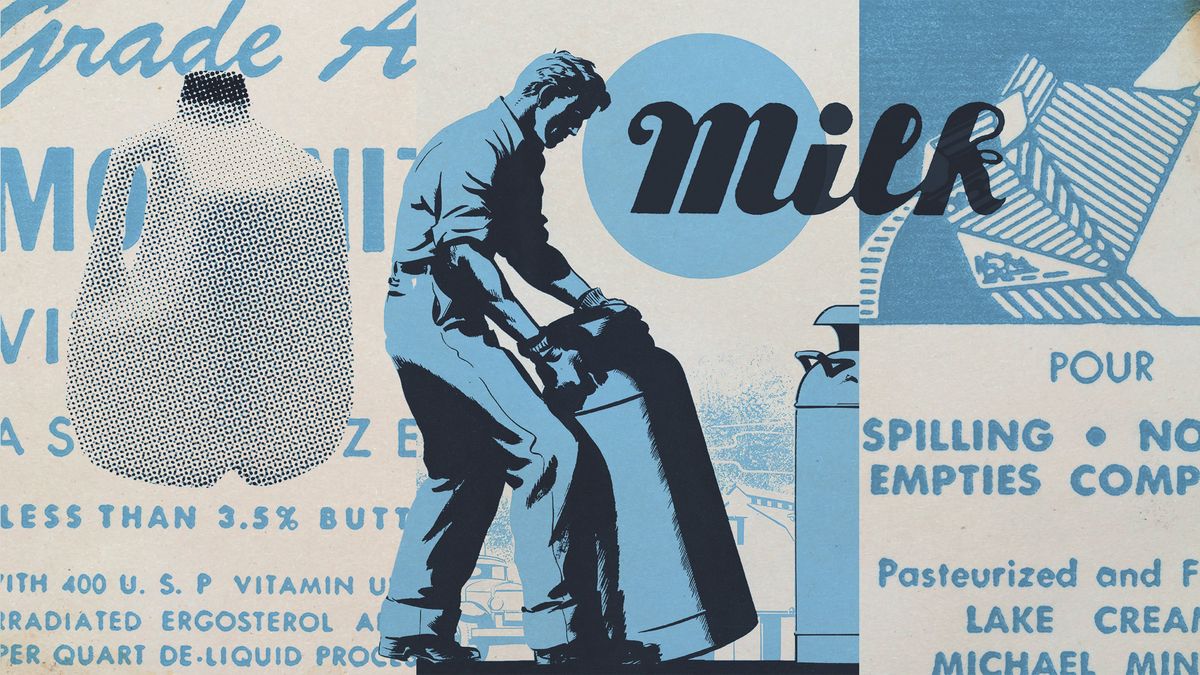
The Unexpected Resurgence of Dairy Milk: A Modern Revival
Once relegated to the sidelines of dietary discussions, dairy milk is experiencing an unexpected resurgence. As consumers increasingly prioritize nutrition, taste, and sustainability, dairy milk is being reexamined and rediscovered for its unique benefits and versatile applications in modern diets. This article delves into the factors driving this comeback, the nutritional benefits of dairy milk, and what this means for the future of dairy in our diets.
The Shift in Dietary Perspectives
In recent years, the conversation around dietary choices has shifted dramatically. For a time, dairy milk was viewed as a dietary villain, often criticized for its saturated fat content and linked to various health concerns. However, a growing body of research is beginning to challenge these perceptions. Studies have indicated that moderate consumption of dairy can contribute positively to health, particularly in areas such as bone health, weight management, and muscle development.
Many health experts now advocate for a balanced approach to dairy consumption, emphasizing moderation rather than outright elimination. This change in perspective has paved the way for dairy milk’s resurgence as consumers seek to incorporate nutrient-dense foods into their diets.
The Nutritional Benefits of Dairy Milk
One of the primary drivers of dairy milk’s renewed popularity is its impressive nutritional profile. Here are some key benefits:
- Rich in Calcium: Dairy milk is one of the best natural sources of calcium, essential for building and maintaining strong bones and teeth.
- High-Quality Protein: Dairy milk provides complete proteins that contain all essential amino acids, making it an excellent choice for muscle repair and growth.
- Vitamins and Minerals: It’s packed with vital nutrients such as vitamin D, vitamin B12, potassium, and phosphorus, which are crucial for various bodily functions.
- Healthy Fats: Full-fat dairy is making a comeback as research suggests that whole dairy products can aid in weight management and may not be as harmful as once thought.
This nutritional richness appeals to health-conscious consumers who are looking for wholesome options that contribute to their overall well-being.
The Versatility of Dairy Milk
Dairy milk’s versatility is another factor driving its comeback. It can be used in a myriad of ways, making it a staple in both traditional and modern cuisines. Here are some popular uses:
- Beverages: From lattes to smoothies, dairy milk is a popular base for various drinks, contributing creaminess and flavor.
- Baking: In baking, dairy milk adds moisture and richness to cakes, cookies, and bread.
- Culinary Applications: It serves as a base for sauces, soups, and gravies, enhancing textures and flavors.
- Frozen Treats: Dairy milk is a key ingredient in ice creams and yogurt, both of which are beloved treats across cultures.
This versatility means that dairy milk can easily be integrated into a wide range of diets, appealing to both traditional and health-conscious eaters.
The Role of Marketing and Consumer Education
As consumers become more discerning about their food choices, effective marketing and education about dairy milk’s benefits have played a significant role in its resurgence. Industry stakeholders are investing in campaigns that highlight:
- Local Sourcing: Many consumers are drawn to locally sourced dairy, which supports local farmers and promotes sustainability.
- Health Benefits: Educational initiatives that inform consumers about the health benefits of dairy milk are helping to rebuild its image.
- Environmental Impact: Recent studies show that dairy farming can be more sustainable than many plant-based alternatives, particularly when considering land and water use.
These marketing strategies are reshaping perceptions and encouraging people to include dairy milk in their diets once again.
The Influence of Plant-Based Alternatives
The rise of plant-based milk alternatives has also played a role in dairy milk’s resurgence. As consumers explore different options, dairy milk has had to adapt and compete. This competition has led to innovations in dairy farming practices, product development, and marketing strategies. Rather than viewing plant-based alternatives as direct competitors, many in the dairy industry are embracing a more inclusive approach, promoting dairy milk as a complement rather than a substitute.
Interestingly, the popularity of plant-based milk has prompted a renewed appreciation for the unique qualities of dairy milk, such as its taste, texture, and nutritional benefits. This acknowledgment has contributed to a more balanced view of dairy in the marketplace.
What This Means for the Future of Dairy in Our Diets
The unexpected resurgence of dairy milk suggests a promising future for dairy products in general. As consumers grow more aware of the nutritional benefits and versatility of dairy milk, we may see:
- Increased Demand: A continued rise in demand for dairy products, including milk, yogurt, and cheese, as part of a balanced diet.
- Innovative Products: More innovation in dairy products, from lactose-free options to fortified varieties, catering to a wider range of dietary needs.
- Sustainability Efforts: An emphasis on sustainable farming practices will likely grow, as consumers become more environmentally conscious.
- Educational Initiatives: Continued efforts to educate consumers about the health benefits of dairy will play a pivotal role in shaping dietary choices.
In conclusion, the unexpected resurgence of dairy milk marks a fascinating shift in consumer attitudes towards nutrition and health. As more people rediscover the benefits and versatility of dairy milk, it stands to reclaim its place in modern diets. The future looks bright for dairy, and it’s an exciting time to be a part of this evolving landscape.
See more WebMD Network


