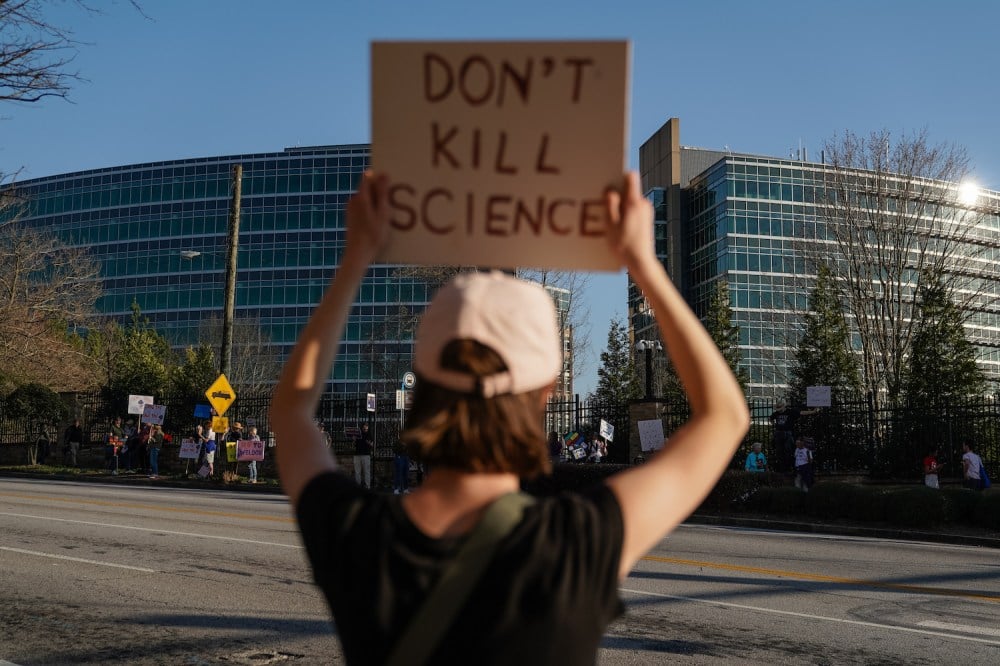
Unheeded Warnings: What COVID-19 Taught Us—and What We Ignored
The COVID-19 pandemic has been an unprecedented global crisis, reshaping lives, economies, and healthcare systems around the world. As we emerge from its clutches, it’s crucial to reflect on the profound lessons offered by this pandemic. However, the sad reality is that many critical insights have been overlooked. This article delves into the key takeaways from the COVID-19 crisis and the implications of ignoring these warnings for future preparedness.
Understanding the Initial Warnings
Before COVID-19 became a household name, the world had already received numerous warnings about the potential for a pandemic. Experts in infectious diseases had been sounding alarms for years, highlighting the risks posed by zoonotic diseases, those that jump from animals to humans. Reports by organizations like the World Health Organization (WHO) and the Centers for Disease Control and Prevention (CDC) pointed to the inevitability of such outbreaks, yet the world remained largely unprepared.
- Historical Context: The 2003 SARS outbreak, the 2009 H1N1 flu pandemic, and the 2014 Ebola crisis served as grim reminders of humanity’s vulnerability to infectious diseases.
- Scientific Predictions: In 2018, a report from the Global Preparedness Monitoring Board warned that the world was not ready for a severe pandemic.
These warnings were clear, yet they were brushed aside in favor of short-term economic interests and political agendas. The COVID-19 pandemic was a wake-up call—a loud, jarring alarm that many chose to hit the snooze button on.
Lessons in Public Health Infrastructure
One of the most significant lessons learned from the COVID-19 pandemic is the critical importance of robust public health infrastructure. Countries that had invested in their public health systems were better equipped to respond to the crisis. For instance, nations like Taiwan and South Korea, which had prior experience with SARS, implemented swift and effective measures that mitigated the spread of the virus.
In contrast, many countries with underfunded health systems struggled to cope. Hospitals were overwhelmed, testing was inadequate, and contact tracing efforts faltered. The pandemic exposed glaring inequalities in health access and outcomes, particularly among marginalized communities.
Ignoring the need for a strong public health infrastructure could have dire consequences in future outbreaks. The pandemic taught us that investing in healthcare is not merely an expenditure but a necessity for national security and economic stability.
The Digital Transformation of Healthcare
COVID-19 accelerated the digital transformation in healthcare, a trend that had been gradually unfolding for years. Telemedicine emerged as a vital service, allowing patients to consult with healthcare providers while minimizing the risk of virus transmission.
- Accessibility: Telehealth services made healthcare more accessible, particularly for those living in remote areas or with mobility challenges.
- Efficiency: Virtual consultations streamlined processes, reducing the burden on healthcare facilities.
However, the rapid shift to digital healthcare also highlighted a digital divide. Many people, particularly the elderly and low-income populations, lacked access to reliable internet and devices. As we move forward, it’s crucial to ensure that technological advancements in healthcare do not leave anyone behind.
Mental Health Crisis Ignored
The pandemic not only affected physical health but also took a heavy toll on mental well-being. Isolation, fear of illness, and financial insecurity led to a surge in mental health issues. Reports indicated that anxiety and depression rates skyrocketed during lockdowns, yet mental health services often remained underfunded and stigmatized.
Ignoring mental health in the wake of COVID-19 could have long-lasting implications. Mental health support must be integrated into public health strategies to ensure comprehensive care in future crises. The pandemic has shown us that mental health is just as important as physical health.
Economic Vulnerabilities and Inequities
The economic fallout from COVID-19 exposed vulnerabilities in global supply chains and highlighted systemic inequities. Industries reliant on global networks were hit hard, and millions lost their jobs as businesses closed or downsized. The pandemic disproportionately affected low-income workers and marginalized communities.
- Economic Resilience: Countries that prioritized economic resilience and diversification were better positioned to weather the storm.
- Universal Basic Income (UBI): The crisis sparked discussions around UBI and other safety nets as potential solutions to provide financial security during emergencies.
As we move forward, it’s essential to address these economic disparities and build more resilient systems to withstand future shocks.
The Importance of Global Collaboration
The global nature of the COVID-19 pandemic underscored the necessity of international cooperation. Viruses do not respect borders; thus, a coordinated global response is vital. However, the pandemic also revealed the fragility of such collaboration, with countries often prioritizing national interests over collective action.
The distribution of vaccines during the pandemic was a poignant example. Wealthier nations secured vast quantities of vaccines while many low-income countries struggled to access them. This inequity not only hampered global recovery but also allowed the virus to mutate and prolong the pandemic.
For future preparedness, fostering global collaboration and equitable access to resources is paramount. The lessons of COVID-19 should inspire a renewed commitment to solidarity and shared responsibility.
Climate Change and Zoonotic Diseases
Another critical lesson from the pandemic is the connection between climate change and the emergence of zoonotic diseases. Deforestation, habitat destruction, and climate change increase the likelihood of diseases spilling over from animals to humans. The pandemic has brought to light the need for a One Health approach, which recognizes the interconnectedness of human, animal, and environmental health.
- Preventive Measures: Investing in conservation and sustainable practices can help mitigate the risk of future pandemics.
- Public Awareness: Raising awareness about the links between health and the environment is crucial for fostering a culture of prevention.
Ignoring our environmental responsibilities could lead to more frequent and severe pandemics in the future, underscoring the urgent need for action.
Conclusion: Embracing the Lessons for Future Preparedness
As we reflect on the COVID-19 pandemic, it’s essential to embrace the lessons learned and take actionable steps towards future preparedness. The warnings were there, yet many were unheeded. By investing in public health infrastructure, embracing digital healthcare, addressing mental health, ensuring economic resilience, fostering global collaboration, and acknowledging the links between climate change and health, we can build a safer, healthier world.
Let us not forget the insights gained from this crisis. The true test will be whether we choose to heed these warnings or let them fade into the background as we return to normalcy. The stakes are high, and our response will determine the future of global health and security.
See more WebMD Network


