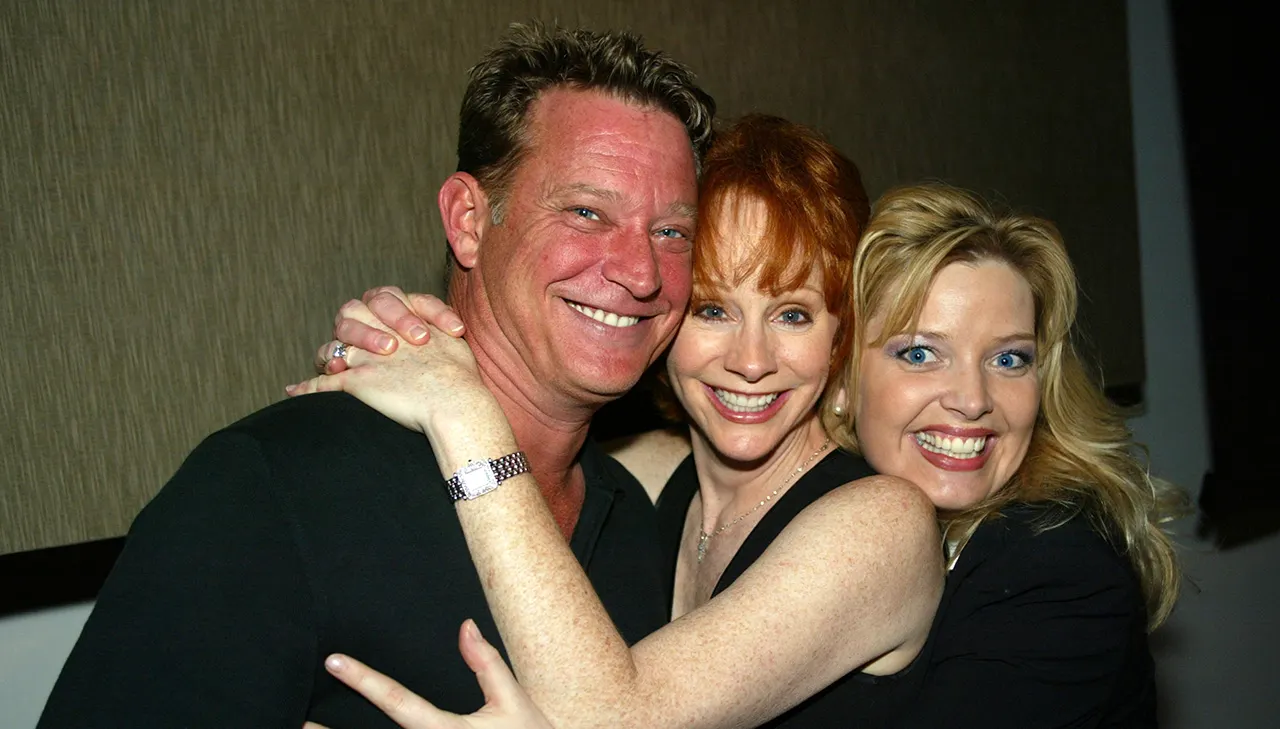
Christopher Rich: The Life-Altering Impact of a Stroke and Brain Injury
In a world where health is often taken for granted, the story of Christopher Rich serves as a poignant reminder of the fragility of life. The acclaimed actor, best known for his roles in hit television series like “Murphy Brown” and “Reba,” recently opened up about his life-altering experience with a stroke and brain injury. In a candid interview, he described the incident as akin to the devastating force of an atomic bomb, highlighting the profound challenges he faced during his recovery.
The Day Everything Changed
Christopher’s journey began on an ordinary day, one that suddenly turned extraordinary in the most tragic way. He experienced a stroke, an event that would drastically alter the trajectory of his life. Strokes occur when blood flow to the brain is interrupted, causing brain cells to die. In Christopher’s case, the aftermath was catastrophic, leading to a series of complications that affected his physical and mental capabilities.
“It felt like everything was happening in slow motion, like I was living in a nightmare,” he recounted. The impact was immediate, and the repercussions were felt not just by him, but by his family and friends as well. The emotional toll of such an event cannot be overstated; it reshapes relationships, alters dynamics, and forces everyone involved to adapt to a new reality.
Facing the Challenges of Recovery
Recovery from a stroke is a complex process that varies greatly from person to person. For Christopher, it was a journey filled with unexpected revelations and profound challenges. The physical rehabilitation required immense effort and dedication. Muscles weakened or paralyzed by the stroke needed to be retrained, and daily tasks that once seemed trivial became monumental challenges.
- Physical Therapy: Intense sessions helped him regain strength and mobility.
- Speech Therapy: Essential for addressing communication difficulties that arose post-stroke.
- Emotional Support: Counseling became crucial for navigating the psychological impact of his new reality.
Christopher shared that there were days when the weight of the struggle felt insurmountable. “There were moments when I wanted to give up. It was like facing a mountain with no clear path to the top,” he reflected. But, with resilience and support from loved ones, he found the strength to persevere. This journey through recovery not only tested his physical limits but also reshaped his identity.
Revelations and New Perspectives
As he navigated the complexities of recovery, Christopher discovered newfound insights about life and health. The experience taught him to appreciate the small victories—like taking a few steps unassisted or expressing a thought clearly after struggling with speech. These triumphs, however minor they may seem, became monumental milestones in his recovery process.
“You start to see life differently. Every day is a gift; every moment counts,” he emphasized. This perspective shift is common among stroke survivors, who often emerge with a deeper appreciation for life’s fragility and beauty. The experience can foster a sense of gratitude that often goes unnoticed in the hustle and bustle of daily living.
The Role of Community Support
Christopher’s recovery journey was not a solitary one. The role of community support proved invaluable. Friends, family, and even fans rallied around him, providing encouragement and practical assistance. This network became a lifeline, demonstrating the importance of social connections in the healing process.
“I realized how important it is to lean on others, to accept help when you need it,” he noted. This sentiment resonates with many individuals facing similar challenges, as isolation can exacerbate feelings of helplessness. Engaging with a supportive community can significantly enhance the recovery experience, offering emotional comfort and practical resources.
Advocacy and Awareness
In the wake of his experience, Christopher has taken on the role of an advocate for stroke awareness. He understands the need to educate others about the signs of a stroke and the importance of immediate action. Recognizing the symptoms—such as sudden numbness, confusion, difficulty speaking, or severe headache—can be lifesaving.
His advocacy work aims to encourage people to prioritize their health, emphasizing that early intervention can drastically alter outcomes. “If sharing my story can help even one person recognize a stroke in their loved one, then it’s worth it,” he asserted passionately.
Moving Forward with Hope
Today, Christopher Rich is not just an actor but a symbol of resilience and hope. His journey through the struggles of stroke recovery epitomizes the strength of the human spirit. While the path has been fraught with challenges, he embraces the future with optimism and determination.
“I may have faced an atomic bomb in my life, but I refuse to let it define me. I’m rebuilding, stronger than ever,” he stated, a testament to the power of perseverance. His story encourages others to confront their challenges head-on, reminding them that recovery is possible, and life can be beautiful again.
Conclusion
Christopher Rich’s experience with a stroke and brain injury highlights the unpredictable nature of life and the profound impact such events can have on individuals and their loved ones. His journey serves as a powerful reminder that while health may be fragile, the human spirit is incredibly resilient. Through challenges, revelations, and support, recovery not only transforms lives but also fosters a deeper appreciation for the moments that truly matter.
As he continues to advocate for awareness and share his story, Christopher embodies hope for many facing similar battles. His narrative encourages others to seek help, embrace their journey, and cherish every moment of life.
See more WebMD Network


