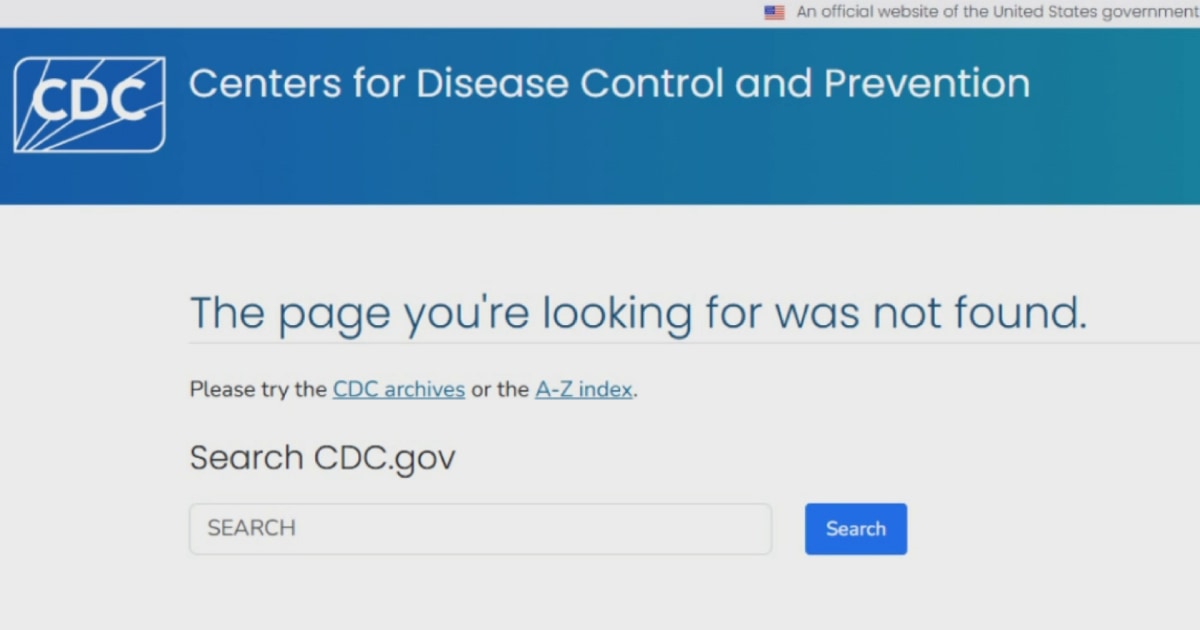
CDC’s Controversial Content Cleanup: An Overview
The Centers for Disease Control and Prevention (CDC) has recently undertaken a significant overhaul of its HIV-related content. This move has raised eyebrows and sparked discussions about the broader implications of recent diversity policy shifts under the Trump administration. The changes have left many wondering how such decisions are reshaping public health messaging, particularly concerning vulnerable communities. In this article, we will explore the effects of these policy changes on HIV resources and the access to vital information for those who need it most.
The Impact of Trump’s Diversity Policies on HIV Resources
Under the Trump administration, several diversity policies were implemented that shifted the focus on how federal agencies, including the CDC, approach public health issues. These policies emphasized the need for accountability and adherence to a more conservative viewpoint on social issues. One significant area affected by these shifts is HIV prevention and treatment messaging, particularly in relation to marginalized communities, such as LGBTQ+ individuals and people of color.
With the CDC’s recent content cleanup, many resources that previously emphasized inclusivity and targeted messaging for these communities have been altered or removed. This has raised concerns among public health advocates who argue that such changes could hinder efforts to combat HIV in populations that are already disproportionately affected by the virus.
Changes in Messaging and Resource Availability
As part of the content cleanup, the CDC has revised its online resources and public health campaigns related to HIV. These changes have included:
- Removal of Targeted Resources: Many materials specifically addressing the needs of the LGBTQ+ community and people of color have been taken down or significantly altered. This has led to a lack of tailored information that these groups rely on for prevention and treatment.
- Shift in Language and Tone: The language used in CDC communications has changed, often becoming less inclusive and more clinical. This shift can alienate individuals who may already feel marginalized within the healthcare system.
- Reduction in Community Engagement: The CDC’s previous approach involved extensive community outreach and partnerships with local organizations that serve at-risk populations. The current strategy appears to prioritize a more top-down approach, which could reduce the effectiveness of health messaging.
These changes are concerning as they may lead to decreased awareness about HIV prevention methods, such as PrEP (pre-exposure prophylaxis), and treatment options available to those living with HIV. Community organizations that once relied on CDC materials to educate their constituents may find themselves without the necessary tools to perform their vital work.
Public Health Messaging in the Context of Diversity
Public health messaging is most effective when it is inclusive and reflective of the diverse populations it aims to serve. The CDC’s historical approach to HIV resources has been to provide information that takes into account the unique challenges faced by various communities. This approach is crucial, particularly when considering the social determinants of health that affect how individuals engage with healthcare systems.
For example, individuals from marginalized communities may experience barriers to accessing healthcare, including:
- Poverty and economic instability
- Lack of transportation to healthcare facilities
- Discrimination within healthcare settings
- Limited access to health education and resources
When public health messaging fails to resonate with these communities, it can exacerbate existing health disparities. The CDC’s recent content cleanup raises questions about whether the agency is equipped to address these disparities effectively.
Potential Consequences of the Content Cleanup
The removal of inclusive HIV resources and the shift in messaging could have several adverse consequences:
- Increased Infection Rates: Without targeted education and resources, there is a risk of rising HIV infection rates, particularly among populations that already face significant barriers to healthcare.
- Stigmatization of Affected Groups: A lack of representation in health messaging can contribute to the stigmatization of people living with HIV, making it more challenging for individuals to seek care and support.
- Decreased Trust in Public Health Institutions: Communities may lose trust in the CDC and other public health institutions if they feel their needs are not being addressed or prioritized.
Advocacy and the Path Forward
In light of these changes, it is essential for advocates, healthcare providers, and community organizations to take proactive steps to ensure that HIV resources remain accessible and relevant. Here are some strategies that could help:
- Community Engagement: Organizations must continue to engage with the communities they serve, gathering feedback and understanding their unique needs when it comes to HIV prevention and treatment.
- Developing Alternative Resources: If CDC resources are lacking, community organizations can take the initiative to create their own educational materials that address the specific concerns of their populations.
- Advocacy for Policy Change: Engaging in advocacy efforts to influence public health policy can promote the reinstatement of inclusive practices within the CDC and other agencies.
- Utilizing Technology: Digital platforms can be harnessed to distribute accurate information and resources, ensuring that communities have access to the information they need.
Conclusion
The CDC’s controversial content cleanup raises significant questions about the future of HIV resources and public health messaging, particularly in light of recent diversity policy shifts under the Trump administration. The impact of these changes could be profound, potentially leading to increased health disparities among marginalized communities. However, by remaining vigilant and proactive, advocates and community organizations can work to ensure that vital information remains accessible and that the needs of all populations are addressed effectively. The fight against HIV is far from over, and it is crucial that we continue to strive for inclusivity and equitable healthcare for everyone.
See more WebMD Network


