California’s Bold Move: Banning Ultra-Processed Foods in Schools
In a significant policy shift that could reshape the future of nutrition in education, California has taken a bold move by proposing a ban on ultra-processed foods in schools. This initiative, spearheaded by a dedicated lawmaker, aims to tackle the growing concerns over children’s health and nutrition. The implications of this decision extend beyond the cafeteria trays of California’s public school students; they raise vital questions about public health, food systems, and the overall approach to school meals.
Understanding Ultra-Processed Foods
Before diving into the implications of this groundbreaking initiative, it’s essential to understand what ultra-processed foods are. These are products that have been significantly altered from their original form through industrial processing. They typically contain additives, preservatives, and artificial ingredients designed to enhance flavor, texture, and shelf life. Common examples include sugary snacks, instant noodles, and many packaged beverages.
Research has increasingly linked the consumption of ultra-processed foods to various health issues, including obesity, diabetes, and heart disease. For children, whose bodies and minds are still developing, the impact can be especially detrimental. Studies suggest that a diet high in ultra-processed foods can lead to cognitive impairments and behavioral issues, further justifying the need for this legislative action.
The Legislative Initiative
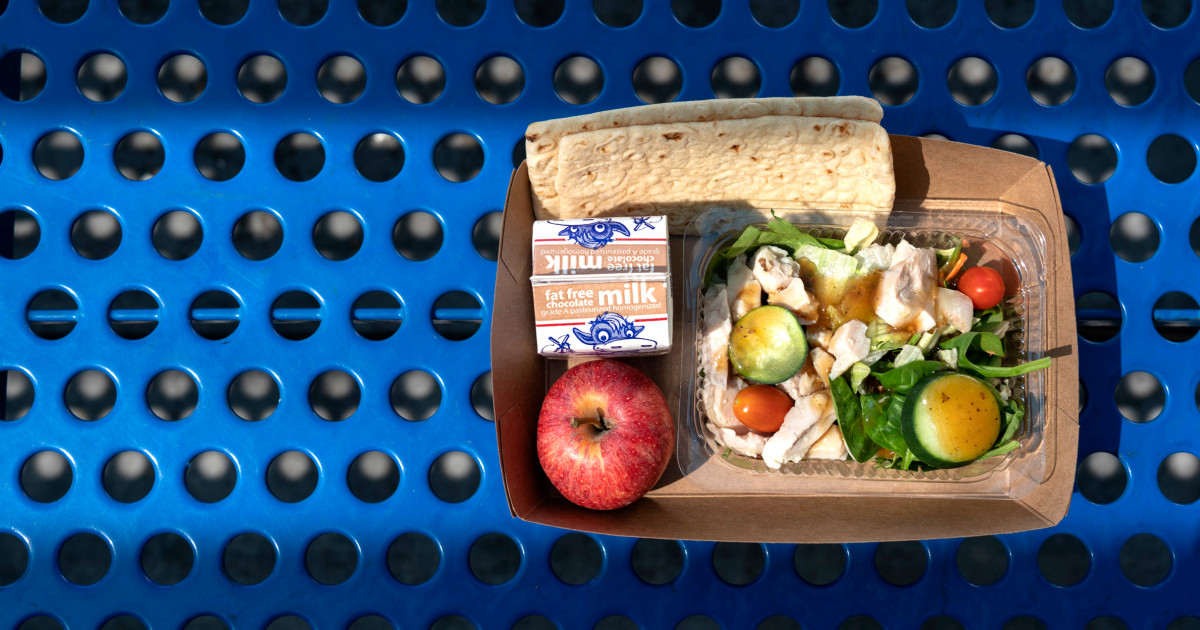
The California lawmaker behind this initiative has framed the ban as a necessary step towards fostering healthier eating habits among children. The proposed legislation would effectively remove ultra-processed items from school menus, replacing them with whole foods, fruits, vegetables, and minimally processed options. This move aims to ensure that students receive nutritious meals that support their growth and academic performance.
Supporters of the bill argue that by eliminating ultra-processed foods, schools can play a crucial role in combating childhood obesity and related health issues. They believe that this ban will not only improve students’ physical health but also enhance their mental well-being and academic success.
Potential Benefits of the Ban
The potential benefits of California’s decision to ban ultra-processed foods in schools are manifold:
- Improved Nutrition: Removing unhealthy options from school menus encourages students to consume more fruits, vegetables, and whole grains, leading to better overall nutrition.
- Healthier Weight Outcomes: With a focus on whole foods, the likelihood of obesity among children may decrease, setting the stage for healthier lifestyles in adulthood.
- Enhanced Academic Performance: Studies have shown a direct correlation between nutrition and cognitive function. Healthier students are likely to perform better in school.
- Setting a Precedent: California’s initiative could serve as a model for other states, creating a domino effect in school nutrition policies across the country.
Challenges and Considerations
While the ban on ultra-processed foods has clear benefits, there are also challenges and considerations that must be addressed:
- Cost Implications: Transitioning to whole foods may involve higher costs for schools, which could strain budgets already under pressure.
- Supply Chain Issues: Schools may face challenges in sourcing enough fresh, quality foods to meet the demand, especially in areas where access to fresh produce is limited.
- Resistance from Stakeholders: Some food manufacturers and vendors may resist changes that could impact their business, potentially leading to pushback against the legislation.
- Education and Awareness: Simply removing ultra-processed foods is not enough. Schools will need to educate students about healthy eating habits and the importance of nutrition.
Community Response and Future Outlook
The community response to California’s initiative has been largely positive. Parents, health advocates, and nutritionists have praised the move as a long-overdue step toward safeguarding children’s health. Many believe that this change will foster a culture of healthy eating that extends beyond school walls and into the homes of students.
Looking ahead, the success of this initiative will depend on careful implementation and the commitment of all stakeholders involved. Schools will need to collaborate with local farmers and food producers to create sustainable supply chains that ensure fresh foods are consistently available. Additionally, the state may need to provide resources and training for school staff to effectively prepare and serve nutritious meals.
A Broader Movement Towards Healthier Eating
California’s ban on ultra-processed foods in schools is part of a broader movement towards healthier eating across the United States. Other states and municipalities are also considering similar measures, reflecting a growing recognition of the importance of nutrition in public health policy. As more jurisdictions embrace these changes, the potential for a nationwide shift in school nutrition policies becomes increasingly viable.
Moreover, this initiative aligns with global trends emphasizing the need to reduce processed foods in diets. International organizations, such as the World Health Organization (WHO), advocate for policies that promote healthy eating habits, particularly among children. California’s bold move could inspire other regions to adopt similar measures, fostering a collective commitment to improving public health.
Conclusion: A Healthier Future for Our Children
California’s initiative to ban ultra-processed foods in schools marks a pivotal moment in the fight for better nutrition for children. By prioritizing whole, nutritious foods over industrially processed options, the state is not only addressing immediate health concerns but also laying the groundwork for a healthier future generation. As this policy unfolds, it will be critical to monitor its impacts and ensure that all children have access to the healthy meals they deserve.
The journey towards healthier school meals is just beginning, but with bold moves like California’s, there is hope for a significant transformation in how we nourish our children. With the right support, resources, and commitment, this initiative could serve as a beacon for others to follow, ultimately leading to a healthier, more vibrant society.
See more WebMD Network


