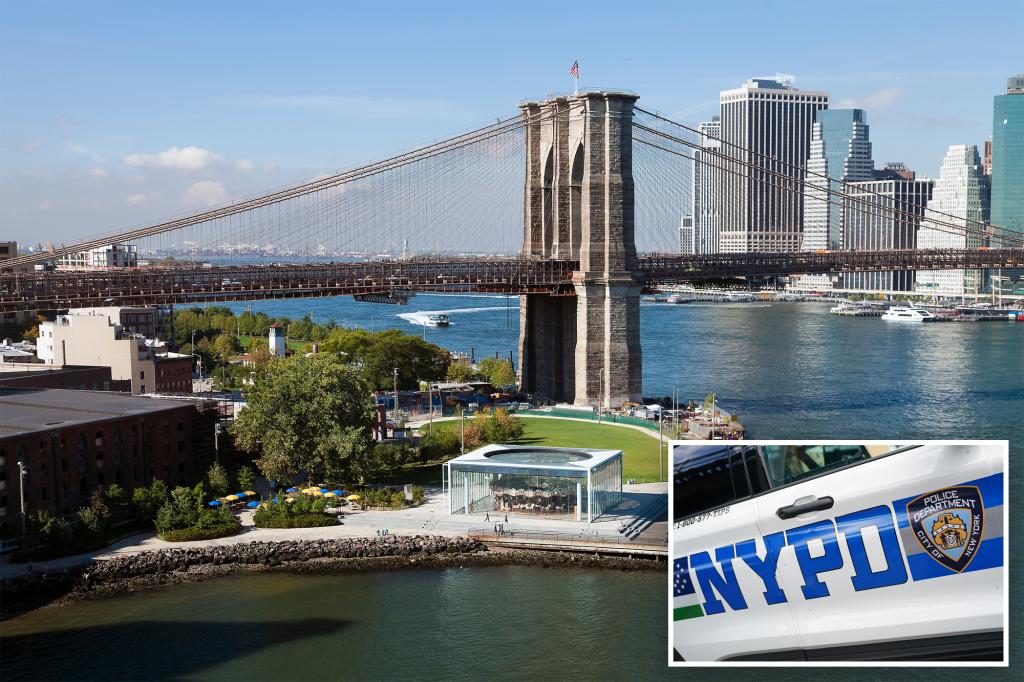
Tragedy at Brooklyn Bridge Park: Elderly Man Dies in Apparent Suicide
An elderly man died from an apparent self-inflicted gunshot wound at Brooklyn Bridge Park on Tuesday morning, authorities confirmed. The 72-year-old, whose identity has not been released pending family notification, was discovered near Pier 2 around 6:30 a.m. by a jogger. The incident has reignited discussions about mental health crises among seniors and the lack of support systems for aging populations in urban areas.
Eyewitness Accounts and Emergency Response
According to NYPD spokesperson Lt. Maria Gonzalez, officers arrived within four minutes of the 911 call but found the victim already deceased. “The scene suggested no foul play,” Gonzalez stated. “We recovered a legally registered firearm at the location.”
Park regulars described the area as typically tranquil at dawn. “I come here every morning to watch the sunrise,” said Michael Tan, 58, who witnessed the police activity. “To see this happen in such a peaceful place… it shakes you.”
- Time of incident: Approximately 6:15-6:30 a.m.
- Location: Secluded bench area near Pier 2
- Weapon: Registered .38 caliber revolver
- No suicide note found at the scene
The Growing Crisis of Senior Mental Health
This tragedy highlights alarming national trends. According to CDC data:
- Adults aged 75+ have the highest suicide rate of any age group (20.3 per 100,000)
- Firearms are used in nearly 70% of senior suicides
- Only 17% of seniors reporting depression receive treatment
Dr. Ellen Park, geriatric psychiatrist at Mount Sinai, explains: “Many elderly face a perfect storm of isolation, chronic pain, and financial stress. Yet our healthcare system often overlooks their mental health needs until it’s too late.”
Community Reactions and Calls for Action
Local leaders have demanded increased mental health services for seniors. City Councilmember Shahana Hanif announced plans to introduce legislation for a borough-wide elder wellness check program. “This isn’t just a tragedy—it’s a systemic failure,” Hanif said at a press conference.
Meanwhile, park visitors left flowers at a makeshift memorial. “We need to do better for our kupuna (elders),” remarked Leilani Santos, 42, using the Hawaiian term as she placed a lei near the site.
Barriers to Senior Mental Healthcare
Experts identify several challenges in addressing this crisis:
- Stigma: 65% of seniors view depression as a personal weakness (AARP survey)
- Access: Limited transportation to counseling centers
- Screening gaps: Only 5 states require depression screening during Medicare wellness visits
Social worker Javier Mendez notes: “Many elderly clients tell me they don’t want to ‘burden’ their families. We must normalize mental healthcare as essential healthcare.”
Prevention Strategies and Resources
Organizations suggest practical interventions:
- Train senior center staff in suicide prevention (QPR or ASIST programs)
- Expand telehealth options for homebound elderly
- Create peer support networks through religious organizations
The National Suicide Prevention Lifeline (988) now offers specialized routing for callers over 65. “Every connection matters,” emphasizes director Amanda Carter. “One call can change everything.”
Moving Forward: A Community Responsibility
As Brooklyn processes this loss, advocates stress collective action. Neighborhood aging committees plan to distribute resource guides in multiple languages, while some building superintendents have volunteered to check on elderly residents weekly.
For those struggling with suicidal thoughts, remember help is available 24/7 at 988 or suicidepreventionlifeline.org. As this tragedy shows, reaching out could save a life—perhaps someone you see every day but never truly see at all.
See more WebMD Network


