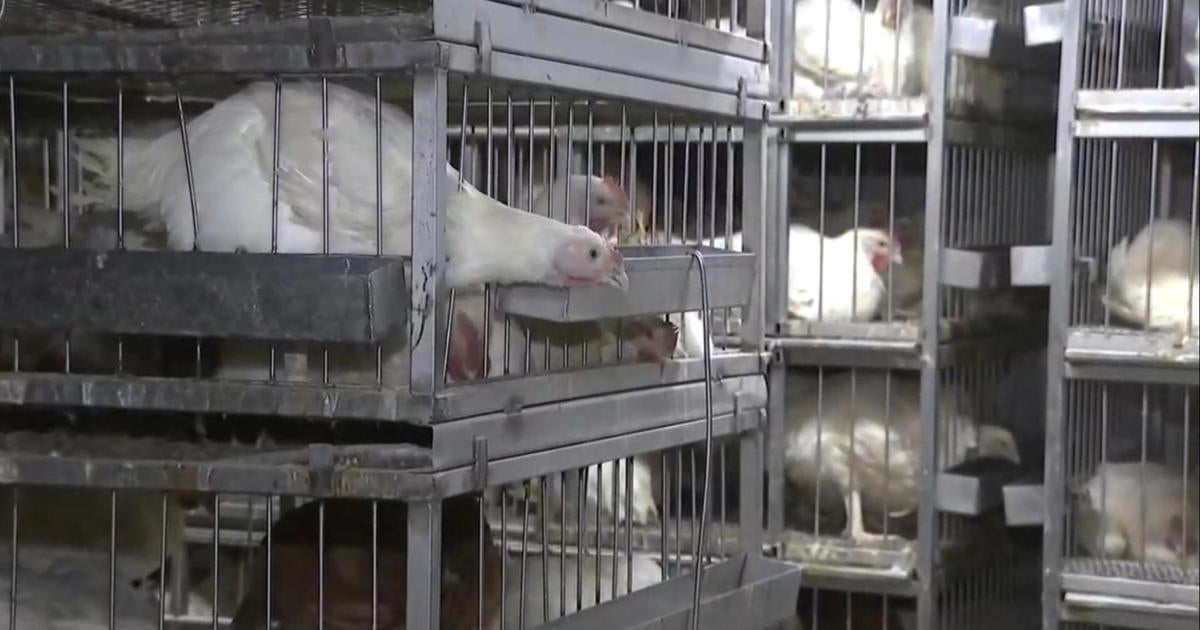
New York City Closes Live Poultry Markets Amid Bird Flu Concerns
In a significant public health measure, New York City has recently decided to close its live poultry markets in response to increasing concerns over avian influenza, commonly known as bird flu. This decision, while aimed at safeguarding both animal and human health, has raised various questions surrounding food safety, urban agriculture, and the cultural significance of these markets.
Understanding Bird Flu and Its Implications
Bird flu is a viral infection that primarily affects birds but can also infect humans and other animals. The H5N1 and H7N9 strains are among the most notorious and have demonstrated the potential for severe illness in humans. The disease spreads rapidly, particularly in environments where birds are kept in close quarters, such as live poultry markets.
In recent years, there have been several outbreaks of bird flu in the United States, with the most recent wave prompting heightened vigilance among health officials. In New York City, the presence of live poultry markets poses a unique challenge. These markets, often frequented by diverse communities, provide a source of fresh meat that many consider essential for cultural and culinary practices.
The Closure: A Necessary Precaution
The closure of live poultry markets in New York City is a precautionary measure taken by the Department of Health and Mental Hygiene (DOHMH). Officials have stated that the decision is grounded in the need to protect public health. The risk of transmission of the virus from birds to humans is a significant concern, particularly in densely populated urban areas where people often interact closely with animals.
This closure is not unprecedented. Similar actions have been taken in other cities facing similar outbreaks, highlighting a broader trend of prioritizing public health over traditional practices in food sourcing. While this decision may be controversial, it is aimed at preventing potential outbreaks that could have devastating consequences.
Impact on Communities and Local Economies
Live poultry markets serve a vital role in many communities, particularly among populations that rely on these sources for fresh food. The closure of these markets raises important considerations regarding food security and access to culturally relevant food options. Many residents view these markets not just as places to buy food but as integral parts of their cultural heritage.
- Economic Consequences: The closure may lead to significant economic losses for market owners and suppliers. Many of these businesses are family-run and form the backbone of local economies.
- Food Access: For many low-income families, live poultry markets provide some of the most affordable sources of protein. The closure could lead to increased food prices and decreased access to fresh poultry.
- Cultural Impact: For immigrant communities, these markets are often a connection to their heritage and traditional food practices. The loss of these markets may lead to a sense of cultural dislocation.
Alternative Solutions and Future Considerations
While the closure of live poultry markets is a necessary precaution, it also opens the door for discussions on alternative solutions that can balance public health with cultural and economic needs. Some potential approaches include:
- Regulation and Oversight: Instead of outright closures, implementing stricter health regulations and oversight could ensure that markets operate safely. This can include regular health inspections, improved sanitation practices, and biosecurity measures to prevent disease spread.
- Community Education: Increasing awareness about bird flu and its transmission can empower community members to take proactive measures in their food sourcing and handling practices.
- Support for Local Farmers: Encouraging partnerships between local farmers and urban markets can provide fresh poultry while ensuring better health practices are followed. This could also bolster local economies.
Lessons from Other Cities
Other cities that have faced similar challenges provide valuable lessons for New York. For instance:
- San Francisco: After a bird flu outbreak, the city implemented stringent health guidelines while allowing some markets to remain open under strict regulations. This approach allowed for continued access to fresh food without compromising health.
- Los Angeles: The city introduced educational programs in local markets to teach residents about safe poultry handling and preparation, reducing the risk of transmission.
Conclusion: A Path Forward
The closure of live poultry markets in New York City amid bird flu concerns is a critical public health decision that underscores the complexity of managing food safety in urban environments. While it is essential to prioritize health, it is equally important to consider the cultural, economic, and community implications of such actions.
Moving forward, a collaborative approach that includes health officials, community leaders, and market owners can pave the way for a balanced solution. By fostering dialogue and exploring innovative alternatives, New York City can protect public health while honoring the diverse culinary traditions that enrich its neighborhoods.
Ultimately, the goal is to create a safe and sustainable food environment that respects the needs and traditions of all its residents. In the face of challenges like bird flu, unity and adaptability will be key in navigating the future of urban food systems.
See more WebMD Network


