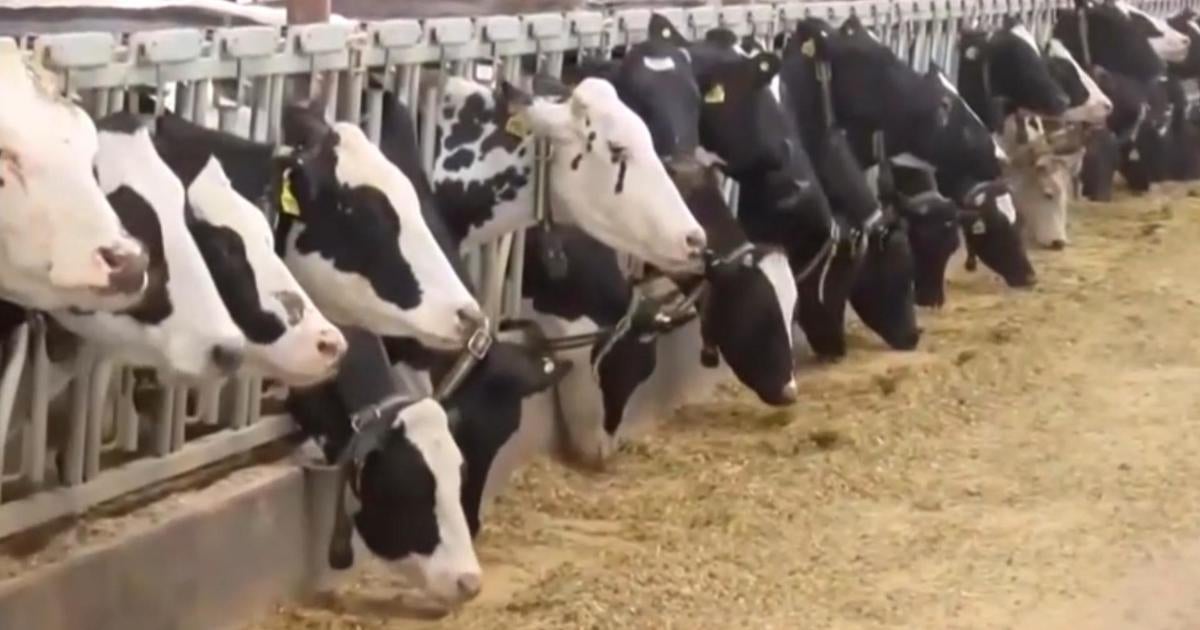
Emerging Bird Flu Strain in Cows: Understanding the New Health Threat for Dairy Workers
A novel strain of bird flu, initially affecting cattle, has recently been identified among dairy workers in Nevada, stirring significant health concerns within the agricultural community and beyond. This unexpected outbreak raises numerous questions about animal and human health implications, the effectiveness of current safety protocols, and the necessary responses from health authorities. As the situation evolves, experts are diligently investigating the full scope of this emerging health threat.
The Context of the Outbreak
The emergence of this bird flu strain in cows is unprecedented. Traditionally, influenza viruses, particularly avian strains, are known to primarily affect birds, with some variants capable of infecting humans and other animals. The recent findings suggest a mutation or adaptation that allows the virus to infect bovine species, which may subsequently pose a risk to those who handle these animals regularly, particularly dairy workers.
The initial reports from Nevada indicate that the virus was first detected in a herd of cattle. Subsequently, several dairy workers exhibiting symptoms consistent with bird flu have raised alarms among public health officials. This scenario underscores the necessity for thorough monitoring and swift action to prevent further spread.
Potential Risks to Dairy Workers
Dairy workers are on the front lines of this emerging health threat. The nature of their work involves close contact with cows, which increases the potential for zoonotic transmission—where diseases jump from animals to humans. Key risks include:
- Direct Contact: Handling infected animals can lead to virus transmission through respiratory droplets or skin contact.
- Contaminated Equipment: Tools and machinery that come into contact with infected animals can harbor the virus, posing additional risks.
- Environmental Factors: Dust, manure, and other farm-related particulates can carry viral particles, further endangering workers’ health.
Given these risks, dairy workers must remain vigilant and adhere to strict biosecurity measures to minimize their exposure to the virus. This includes wearing personal protective equipment (PPE) such as masks, gloves, and gowns, especially when dealing with sick animals.
Symptoms and Diagnosis
Symptoms of this novel bird flu strain in humans may resemble those of seasonal influenza, making early diagnosis challenging. Common symptoms to watch for include:
- Fever and chills
- Cough and sore throat
- Muscle aches and fatigue
- Difficulty breathing
Due to the similarities with common flu symptoms, it is crucial for dairy workers experiencing these signs to seek medical attention promptly. Health professionals may conduct specific tests to confirm the presence of the avian influenza virus, which can lead to timely treatment and minimize the risk of severe illness.
Expert Insights and Recommendations
Health experts emphasize the importance of proactive measures in response to this outbreak. Dr. Emily Carter, a veterinary epidemiologist, notes, “The situation underscores the need for ongoing surveillance of both animal and human populations. We must understand how this virus is spreading and how best to contain it.”
In light of the current circumstances, experts recommend several actions:
- Enhanced Monitoring: Regular health checks for dairy workers and cattle should be implemented to quickly identify any cases of illness.
- Education and Training: Dairy workers should receive comprehensive training regarding biosecurity protocols and the signs of bird flu infection.
- Vaccination Development: Research into vaccines for both cattle and humans should be prioritized to mitigate future outbreaks.
Regulatory and Industry Response
In response to the emerging bird flu strain in cows, regulatory agencies are mobilizing resources to address the crisis. The Centers for Disease Control and Prevention (CDC) and the United States Department of Agriculture (USDA) are working closely with state health officials to monitor the situation. Measures being considered include:
- Quarantine Measures: Infected farms may be quarantined to prevent the spread of the virus to other herds or farms.
- Public Awareness Campaigns: Educational initiatives aimed at informing dairy workers and the general public about the risks and preventive measures are crucial.
- Research Funding: Increased funding for research into avian influenza and its transmission to mammals can help prepare for future outbreaks.
The Role of Technology in Monitoring
As the agricultural industry embraces technology, innovative solutions are being developed to enhance monitoring and response efforts. For instance, the use of drones and automated systems can assist in observing cattle health remotely, reducing the risk of direct exposure for workers. Furthermore, advancements in data analytics can help predict potential outbreaks by analyzing patterns in animal health data.
Looking Forward: The Importance of Preparedness
This emerging bird flu strain in cows serves as a critical reminder of the interconnectedness of animal and human health. The One Health approach, which emphasizes the collaboration between various sectors—human health, animal health, and environmental health—is more relevant now than ever.
As the dairy industry grapples with this new health threat, it is imperative to foster a culture of preparedness. By implementing robust health protocols, encouraging research, and utilizing technology, the risk posed by this outbreak can be mitigated. The health and safety of dairy workers, as well as the broader community, depend on our collective efforts to address this challenge head-on.
Conclusion
The identification of a novel bird flu strain in cows highlights a significant health threat not only to livestock but also to those who work with them. As the situation develops in Nevada and potentially elsewhere, it is vital for stakeholders to remain informed and proactive. Continued vigilance, research, and collaboration will be key to overcoming this emerging health crisis, ensuring the safety of dairy workers and the integrity of the agricultural sector.
See more WebMD Network


