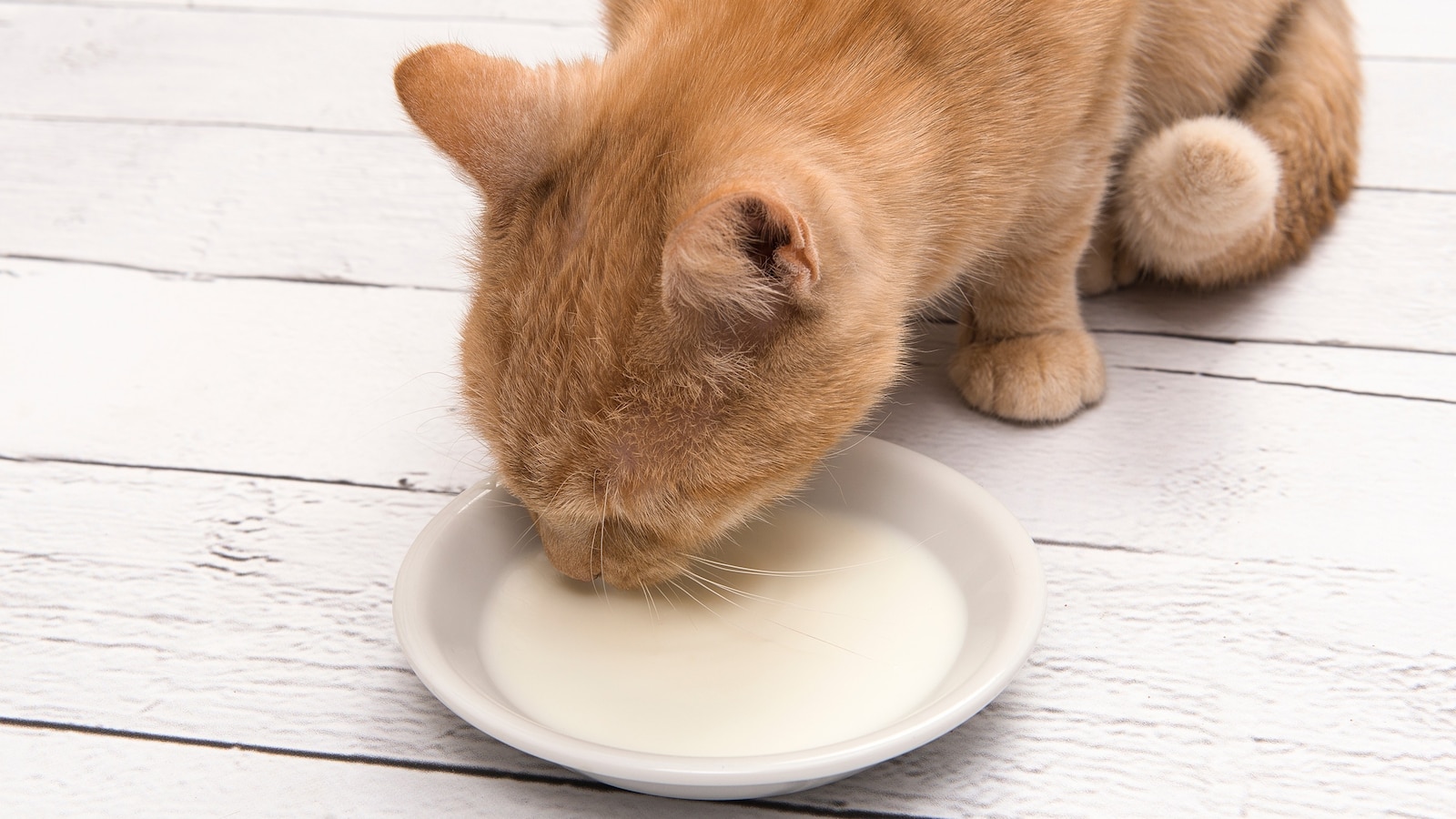
The Hidden Dangers: How Bird Flu in House Cats Could Threaten Public Health
Recent findings suggest that house cats infected with bird flu may represent an unexpected risk to human health. As the virus spreads among avian populations, pet owners and health officials alike must be vigilant in monitoring potential outbreaks. This article delves into the complexities of this situation, exploring the implications of bird flu in house cats and its potential to impact public health.
Understanding Bird Flu and Its Transmission
Bird flu, or avian influenza, is primarily a disease that affects birds, particularly wild and domestic poultry. However, certain strains of the virus, such as H5N1 and H7N9, can infect other species, including mammals. The transmission of bird flu from birds to mammals often occurs through direct contact with infected birds, contaminated environments, or ingestion of infected meat.
While the primary hosts of the virus are birds, the emergence of cases in house cats raises alarming questions about the broader implications for public health. According to the Centers for Disease Control and Prevention (CDC), some mammals, including cats, can contract the virus and potentially act as a bridge for transmission to humans, albeit this is relatively rare.
Recent Incidents of Bird Flu in House Cats
In recent years, several reports have documented cases of bird flu infection in house cats. For instance, during outbreaks in various regions, cases have surfaced where domestic cats displayed symptoms consistent with avian influenza after consuming infected birds. These incidents underline the need for pet owners to be aware of their pets’ health and their potential role in the transmission cycle.
- Symptoms in Infected Cats: Common symptoms of bird flu in cats include respiratory issues, lethargy, loss of appetite, and fever.
- Transmission to Humans: Although rare, there is a possibility that an infected cat could transmit the virus to humans through close contact, particularly if the human has an existing compromised immune system.
The Public Health Implications
The potential for house cats to harbor and transmit bird flu poses significant public health concerns. With millions of households owning cats, the risk of outbreaks can increase dramatically if these pets come into contact with infected birds, especially during peak migratory seasons when avian populations are abundant.
The Role of Pet Owners
Pet owners play a crucial role in preventing the spread of bird flu. Awareness and vigilance are essential in managing the risks associated with avian influenza. Here are some steps pet owners can take:
- Monitor Outdoor Access: Limiting outdoor access for cats can reduce their chances of encountering infected birds.
- Regular Check-ups: Routine veterinary visits can help catch any signs of illness early, ensuring prompt treatment if necessary.
- Educate Yourself: Staying informed about the latest bird flu outbreaks in your area can help you take proactive measures to protect your pets.
Health Officials’ Perspective
Public health officials are increasingly concerned about the intersections of wildlife health, domestic animal health, and human health. The One Health approach, which recognizes that the health of people is connected to the health of animals and the environment, is particularly relevant in this context. This perspective encourages collaboration between veterinarians, public health professionals, and wildlife experts to address the risks associated with zoonotic diseases like bird flu.
Preventive Measures and Recommendations
With the understanding that bird flu in house cats poses potential risks, several preventive measures can be recommended:
- Vaccination: While there is currently no vaccine for bird flu specifically for cats, keeping your cat’s vaccinations up to date can help maintain their overall health and immunity.
- Hygiene Practices: Practicing good hygiene, such as washing hands after handling pets and their waste, can help mitigate the risk of zoonotic transmission.
- Reporting Illness: If a cat displays symptoms indicative of bird flu, it’s crucial to report these cases to a veterinarian or local health department for further investigation.
Conclusion: Staying Informed and Vigilant
The hidden dangers of bird flu in house cats are a reminder of the interconnectedness of animal and human health. As the virus continues to circulate among avian populations, it is paramount for pet owners to stay informed and take proactive measures to protect both their pets and public health. By fostering awareness and adopting preventive practices, we can collectively mitigate the risks associated with this emerging threat.
In summary, as we navigate the complexities of bird flu in house cats, it is essential to maintain a vigilant approach. By understanding the potential implications and taking appropriate action, we can contribute to a healthier environment for all species. The cooperation between pet owners, veterinarians, and public health officials will be vital in managing this hidden danger and ensuring the safety of our communities.
See more WebMD Network


